Easy High Protein Cold Lunch Ideas for Work
Eating at work should not mean relying on vending machines, oversized takeout portions, or low-protein salads that leave you hungry by 3 p.m. Easy high protein cold lunch ideas for work solve three problems at once: they save time, stabilize energy, and remove the need for reheating. When structured properly, a cold lunch can deliver…
Eating at work should not mean relying on vending machines, oversized takeout portions, or low-protein salads that leave you hungry by 3 p.m. Easy high protein cold lunch ideas for work solve three problems at once: they save time, stabilize energy, and remove the need for reheating. When structured properly, a cold lunch can deliver 30 to 40 grams of protein, balanced fats, steady carbohydrates, and real flavor without feeling heavy.
Protein at midday plays a key role in appetite control, muscle maintenance, cognitive performance, and blood sugar stability. Many common office lunches fall short, often providing fewer than 15 grams of protein. That gap is what leads to afternoon crashes and cravings.
This guide focuses on two structured, Easy high protein cold lunch options designed specifically for work environments. Each one is practical, portable, and built for real weekday routines.
Why easy High Protein Cold Lunches Work Better for Busy Schedules
Before getting into the meals, it is important to understand why this approach works.
Cold lunches eliminate dependency on microwaves.
They reduce prep time during the morning rush.
They maintain texture and safety when stored correctly.
They improve portion control compared to restaurant meals.
A properly balanced cold lunch should include:
- 30 to 40 grams of protein
- Fiber from vegetables or whole grains
- Healthy fats for satiety
- Moderate carbohydrates for sustained energy
The two options below follow this framework.
Option 1: Greek Chicken Power Bowl
Protein per serving: approximately 38 grams
Prep time: 20 minutes
Storage life: 3 to 4 days refrigerated
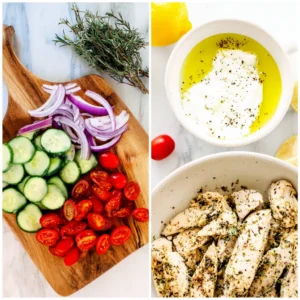
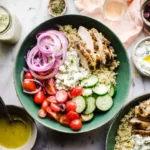
This bowl is structured around lean grilled chicken and Greek yogurt, both high-quality protein sources. It stays fresh, travels well, and tastes good cold.
Ingredients
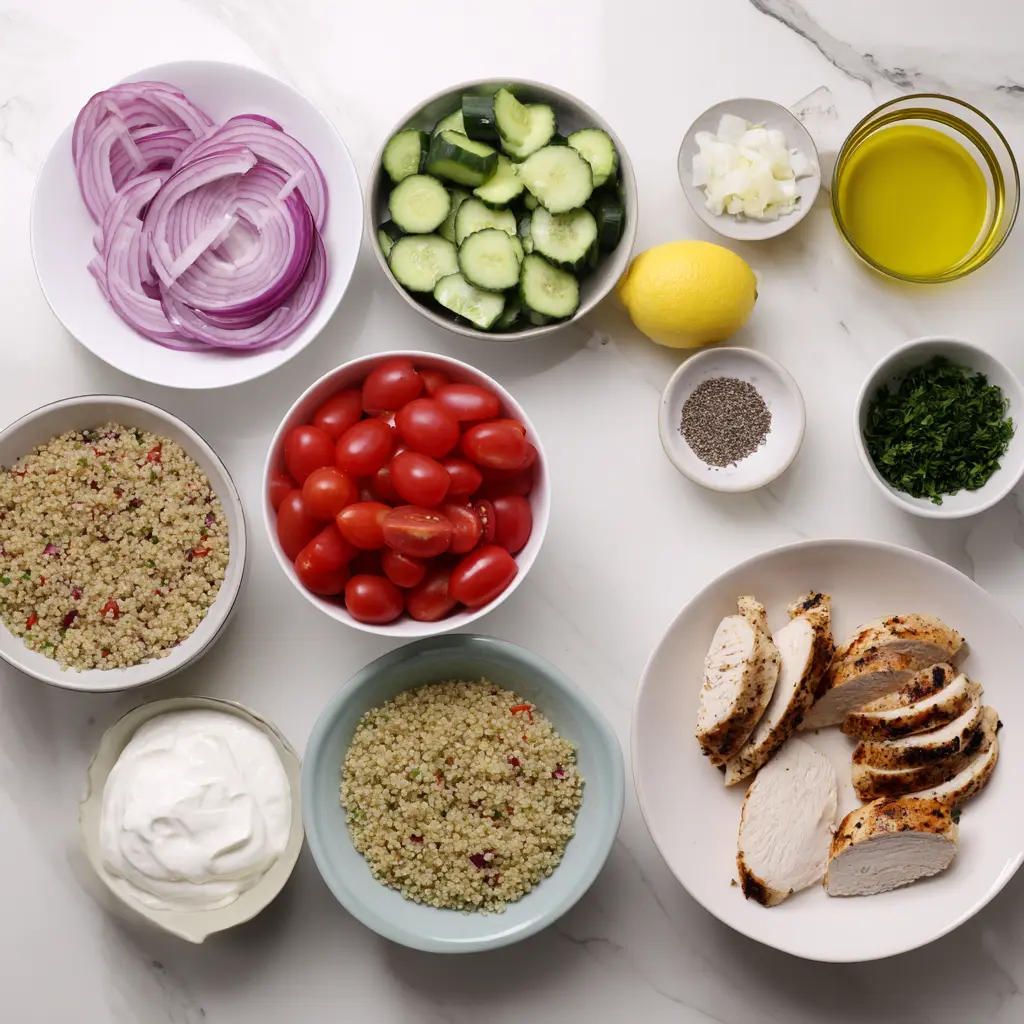
- 5 ounces grilled chicken breast, sliced
- 3/4 cup plain Greek yogurt
- 1 cup chopped cucumber
- 1 cup cherry tomatoes, halved
- 1/4 cup finely sliced red onion
- 1/2 cup cooked quinoa, cooled
- 1 tablespoon olive oil
- Juice of half a lemon
- Salt and black pepper
- Optional: chopped parsley
Detailed Preparation Instructions
Step 1: Prepare the chicken
Season chicken breast with salt, black pepper, and a small drizzle of olive oil. Grill or pan-cook over medium heat until the internal temperature reaches 165°F. Avoid overcooking to prevent dryness. Let it rest for at least 5 minutes before slicing to retain moisture.
Step 2: Cook and cool the quinoa
Rinse quinoa under cold water to remove bitterness. Cook 1 part quinoa to 2 parts water. Bring to a boil, reduce to low, cover, and simmer for 15 minutes. Remove from heat and let sit covered for 5 minutes. Fluff with a fork and allow to cool completely before packing.
Step 3: Prepare the yogurt dressing
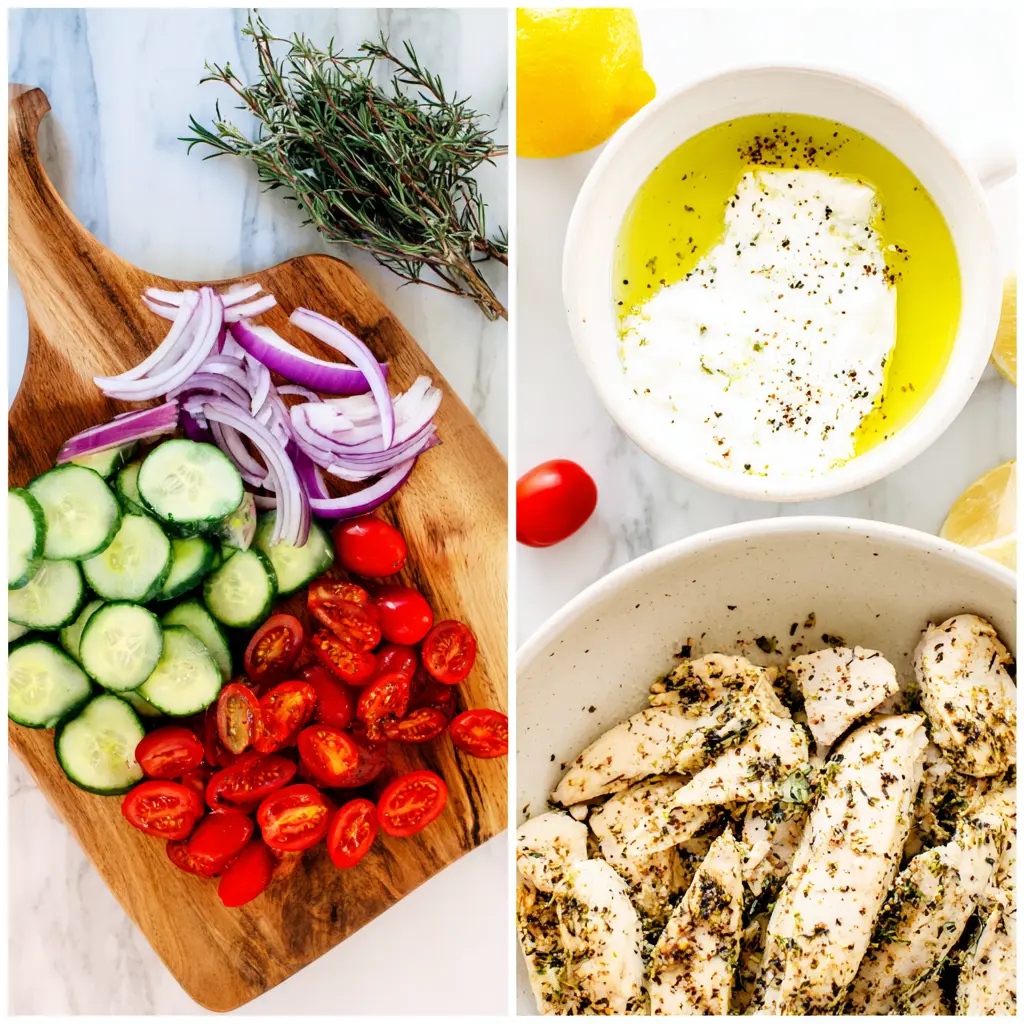
In a bowl, mix Greek yogurt with lemon juice, olive oil, salt, and pepper. Stir until smooth. This replaces heavier sauces and adds additional protein.
Step 4: Chop vegetables evenly
Cut cucumbers into bite-sized pieces. Slice cherry tomatoes in half. Thinly slice red onion to avoid overpowering flavor.
Step 5: Assemble properly
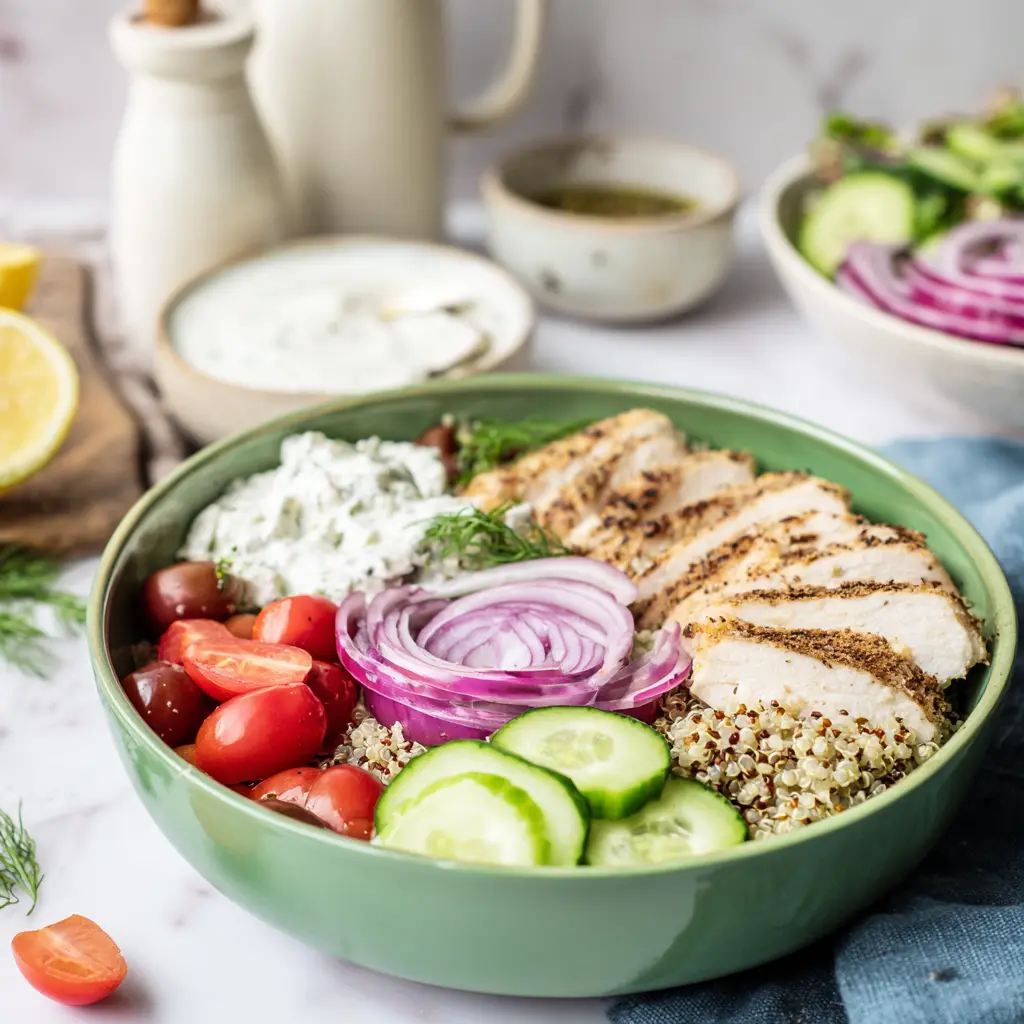
In a meal prep container, layer quinoa at the bottom, followed by vegetables. Place sliced chicken on top. Store the yogurt dressing in a separate small container to prevent excess moisture. Add dressing just before eating.
Why This Bowl Is Effective for Work
- High protein from both chicken and yogurt
- Balanced carbohydrates from quinoa
- Hydrating vegetables for freshness
- Minimal odor compared to reheated meals
- No sogginess if stored correctly
This is one of the most reliable easy high protein cold lunch ideas for work because it maintains structure and flavor for several days.
If you want something light but filling, these crisp and refreshing chicken lettuce wraps
are perfect for packing ahead.
Nutritional Advantages of Easy High Protein Cold Lunches
- Appetite control
Protein increases satiety hormones and reduces hunger hormones. - Stable energy
Balanced protein and fat prevent rapid blood sugar spikes. - Improved focus
Stable glucose levels improve concentration during work hours. - Weight management
High protein intake supports lean mass while controlling calories. - Reduced snacking
Properly structured lunches reduce reliance on processed snacks.
Meal Prep Strategy for Work
Consistency is the key to making easy high protein cold lunch ideas for work sustainable.
Batch cooking method
Cook chicken and quinoa twice per week. Boil 6 to 8 eggs at once. Prepare vegetables in advance and store dry.
Container selection
Use glass or BPA-free containers with compartments. Keep wet and dry ingredients separate.
Refrigeration
Store at or below 40°F. Use insulated lunch bags with ice packs if refrigeration is not available at work.
Rotation schedule
Prepare two different proteins per week to prevent boredom. Alternate between chicken-based and fish-based lunches.
Time-saving method
Chop vegetables for 3 days at a time. Keep sauces in small reusable containers.
Common Mistakes to Avoid
- Too little protein
Many salads contain mostly vegetables. Ensure at least 30 grams per serving. - Excess dressing
Heavy sauces increase calories and cause sogginess. - Poor storage
Mixing everything together too early reduces texture quality. - Skipping salt and acid
Cold food requires proper seasoning to taste good. - Overcomplicating prep
If preparation takes too long, consistency drops. - Ignoring food safety
Do not keep protein unrefrigerated for more than 2 hours.
Food Safety Guidelines for Easy high protein cold lunch for work
- Always cool cooked ingredients before sealing containers.
- Avoid cross-contamination between raw and cooked foods.
- Consume within 3 to 4 days.
- Use insulated bags during transport.
Cold meals are safe when handled properly.
How to Adjust Portions for Your Goals
For muscle gain
Increase chicken to 6 or 7 ounces. Add extra quinoa.
For fat loss
Reduce quinoa slightly. Keep protein high. Add more vegetables.
For low-carb preference
Replace quinoa with extra cucumbers and leafy greens.
For dairy-free needs
Replace Greek yogurt with mashed avocado or hummus.
Weekly Example Plan
Monday and Tuesday: Greek chicken power bowl
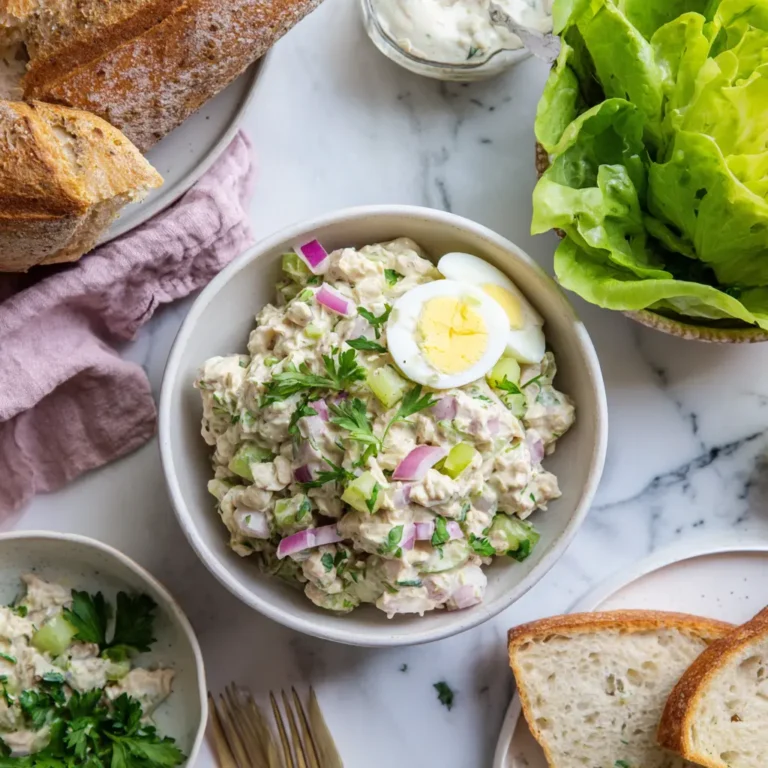
Wednesday and Thursday: Tuna and egg protein box
Friday: Rotate leftovers or combine elements
This structure minimizes cooking frequency while maintaining variety
Macronutrient Balance for Sustained Energy
While protein is the foundation, macronutrient balance determines how the lunch performs throughout the afternoon.
Carbohydrates provide immediate energy. Choosing slower-digesting sources such as quinoa, legumes, or vegetables prevents rapid blood sugar spikes. Refined carbohydrates alone, especially white bread or sugary snacks, often lead to mid-afternoon fatigue.
Healthy fats improve satiety and slow digestion. Olive oil, avocado, nuts, and seeds enhance flavor while increasing fullness. However, fat portions should remain moderate to avoid excessive calorie intake.
Fiber improves digestive stability and supports gut health. Vegetables such as cucumbers, peppers, tomatoes, and leafy greens add volume without heaviness. Aiming for at least 6 to 10 grams of fiber in a work lunch supports fullness and metabolic stability.
A practical macronutrient framework for cold lunches:
- Protein: 30 to 40 grams
- Fiber: 6 to 12 grams
- Moderate carbohydrates
- Moderate healthy fats
This balance prevents energy crashes while keeping digestion comfortable in a work setting.
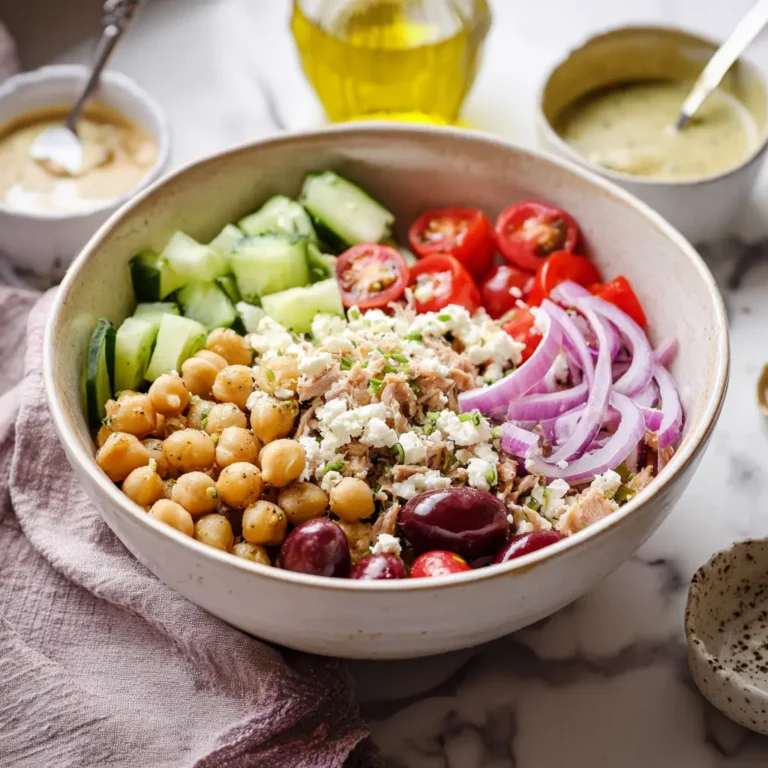
For a Plant-based and protein-rich option , this refreshing chickpea salad is loaded with fiber and keeps you full for hours.
Hydration and Electrolyte Considerations at Work
Lunch composition influences hydration. High-sodium processed foods increase thirst and water retention, while fresh ingredients support fluid balance.
Vegetables with high water content such as cucumbers and tomatoes contribute to hydration. Including potassium-rich foods such as avocado can help maintain electrolyte balance, particularly for individuals who consume caffeine during work hours.
If you drink coffee in the afternoon, pairing it with a balanced protein lunch reduces jitteriness and blood sugar fluctuations. Avoid overly salty cold lunches to prevent afternoon sluggishness.
Water intake should accompany any high-protein meal to support digestion and kidney function. Aim for at least one full glass of water with lunch.
Psychological Benefits of Structured Lunch Planning
Beyond nutrition, having consistent easy high protein cold lunch ideas for work reduces decision fatigue. Decision fatigue is the mental exhaustion caused by repeated choices throughout the day.
When lunch is pre-planned:
- You reduce impulsive food purchases
- You control portion sizes
- You maintain consistency with health goals
- You eliminate time spent searching for food options
This routine creates predictability, which supports long-term dietary adherence. Many individuals struggle not because of lack of knowledge but because of inconsistent preparation. Structuring two reliable cold lunch options simplifies adherence without boredom.
Budget Efficiency and Cost Control
Preparing Easy high protein cold lunch at home significantly reduces weekly food expenses. On average, buying lunch outside five days per week costs substantially more than preparing protein-based meals at home.
Chicken, eggs, tuna, and yogurt are cost-effective protein sources. Purchasing in bulk reduces price per serving. A full week of high-protein cold lunches often costs less than two or three restaurant meals.
Cost breakdown example per serving:
Chicken bowl: moderate cost, high protein yield
Tuna box: lower cost, very high protein density
Planning protein-based Easy high protein cold lunch also reduces food waste because ingredients can overlap between recipes.
Adjusting for Different Work Environment
Office setting with refrigeration
Both options store well and remain fresh in standard refrigerators.
Remote work
Cold lunches reduce time spent cooking midday and support productivity.
Shift work
Protein-focused cold lunches maintain stable energy across irregular schedules.
Travel days
Both meals can be transported in insulated bags and eaten without heating.
Long-Term Sustainability
The effectiveness of easy high protein cold lunch ideas for work depends on sustainability. Extreme restriction or overly complicated preparation leads to burnout.
Keep flavor rotation simple by adjusting herbs, spices, or vegetables weekly. Change lemon to lime. Replace cucumber with shredded cabbage. Swap quinoa for lentils. Small changes maintain variety without increasing workload.
Consistency matters more than perfection. A structured Easy high protein cold lunch system supports long-term health, performance, and cost control while fitting naturally into a professional schedule.
FAQ: Easy High Protein Cold Lunch Ideas for Work
What is the best protein for cold lunch at work?
Grilled chicken breast, canned tuna in water, boiled eggs, cottage cheese, and turkey slices are among the best options because they hold texture and flavor when cold.
How much protein should a work lunch have?
Most adults benefit from 25 to 35 grams of protein at lunch to maintain energy and reduce afternoon hunger.
Can high protein lunches help with weight management?
Yes. Protein increases satiety and helps regulate appetite. Balanced cold lunches reduce snacking later in the day.
How do I keep cold lunch fresh without reheating?
Use insulated lunch bags with ice packs. Keep sauces separate and assemble right before eating.
Is it okay to eat chicken cold?
Yes, as long as it has been cooked properly and stored in the refrigerator. Consume within 3 to 4 days.
Final Notes
Easy high protein cold lunch ideas for work should simplify your weekday routine while improving energy and satiety. Focus on protein first, structure ingredients intelligently, store properly, and rotate flavors weekly. With proper planning, cold lunches become a performance tool rather than a compromise.
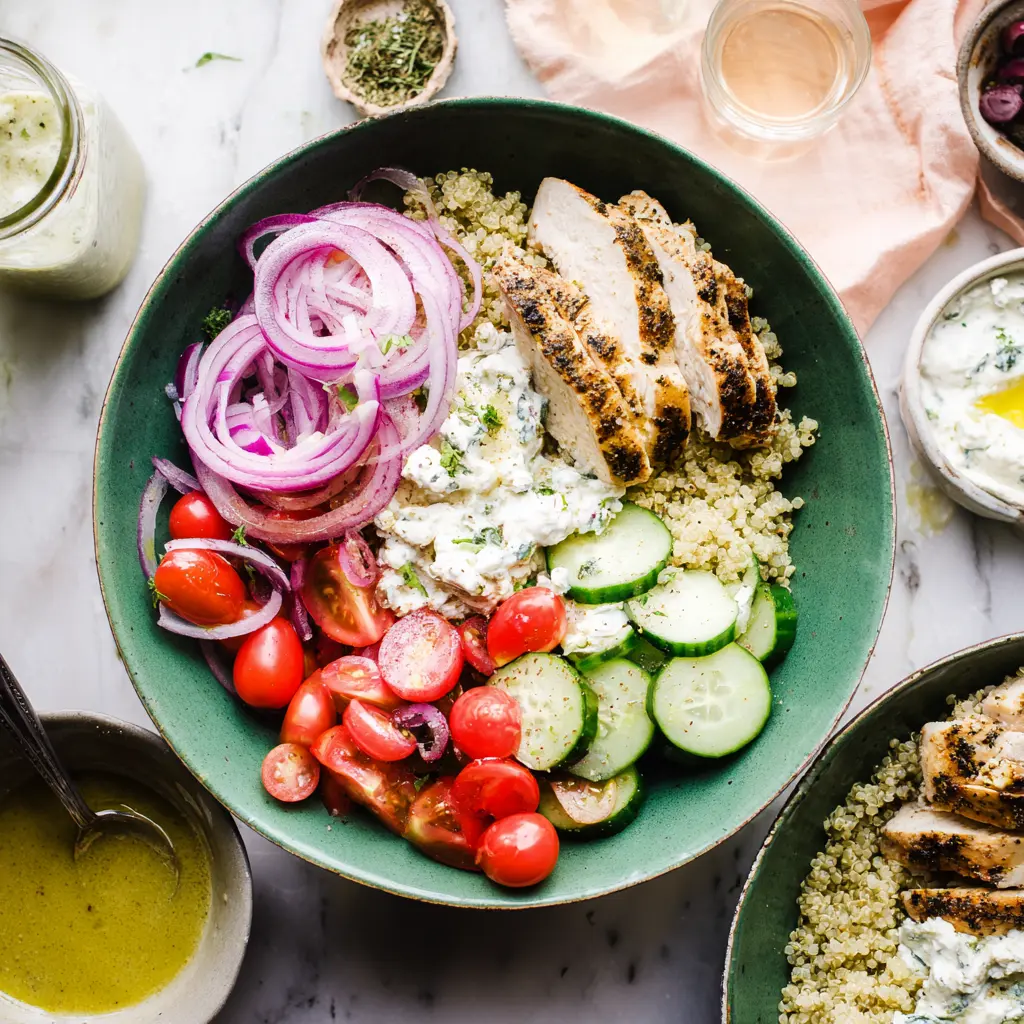

Greek Chicken Power Bowl
Ingredients
Equipment
Method
- Season the chicken with salt, black pepper, and a small drizzle of olive oil. Grill or pan-cook over medium heat until it reaches 165°F internally. Rest for at least 5 minutes, then slice.

- Rinse quinoa under cold water. Cook 1 part quinoa to 2 parts water: bring to a boil, reduce to low, cover, and simmer 15 minutes. Remove from heat, rest covered 5 minutes, fluff, and cool completely.
- Make the yogurt dressing: stir Greek yogurt with lemon juice, olive oil, salt, and pepper until smooth. Taste and adjust seasoning.
- Chop the vegetables: cut cucumber into bite-sized pieces, halve cherry tomatoes, and thinly slice red onion.
- Assemble in a meal prep container: layer cooled quinoa on the bottom, add vegetables, and place sliced chicken on top. Store dressing in a separate container and add just before eating. Garnish with parsley if desired.