Protein Pudding Recipe: 4-Ingredient Thick and Creamy
This protein pudding recipe uses just 4 ingredients for a thick, creamy, spoonable result. Ready in 5 minutes, chills overnight. No cooking needed.
Some nights I want something that feels like dessert but does a bit more work. That’s kind of where this protein pudding recipe came from. I’d been making it on Sunday afternoons in Sydney, portioning it into small Weck jars, and honestly, it became a bit of a habit more times than I’d care to admit. The texture is thick, almost mousse-like, and the whole thing takes maybe five minutes with a hand mixer and a bowl. Four ingredients. That’s it.
What I like most about this protein pudding recipe is that it doesn’t pretend to be something fancy. It’s cold, creamy, and satisfying in the kind of way that makes you stop snacking aimlessly after dinner. I use vanilla protein powder from Bulk Nutrients (the Whey Protein Isolate 500g bag from Woolworths works well too), and the result every single time is a spoonable pudding that holds its shape.
What Makes the Texture Actually Work
Look, I’ve had protein pudding recipes collapse into a watery mess on me more than once. The ratio of cottage cheese to Greek yoghurt is what matters here. Too much yoghurt and it goes runny. Too much cottage cheese alone and you lose that creamy mouthfeel.
This protein pudding recipe uses a 1:1 base of full-fat cottage cheese and thick Greek yoghurt. Jalna Biodynamic Greek Yoghurt is my go-to from Harris Farm, though the Jalna tub from Coles does the same job. Blending the cottage cheese first, before anything else goes in, is non-negotiable. Thirty seconds in a food processor or with a stick blender turns it from grainy to silky. That step is probably the reason so many people give up on cottage cheese desserts – they skip the blend.
The protein powder acts as a thickener as well as a flavour carrier, and the chia seeds absorb moisture overnight to give the whole thing that thick, dense consistency. I’d say it’s closer to a set mousse than a traditional pudding, which I actually prefer.
What You’ll Need
The ingredient list here is short by design. I’ve made bloated versions with five or six components and honestly they don’t taste noticeably better. These four do the job well.
Cottage cheese brings the base protein and a neutral creaminess when blended smooth. Greek yoghurt adds tang and that thick, spoonable texture. Protein powder provides flavour and sets the structure – vanilla works best for the classic version, though chocolate protein powder makes it a completely different (and very good) thing. Chia seeds are the sleeper ingredient: they absorb liquid during chilling and turn the whole mix dense.
For sourcing: full-fat cottage cheese from Woolworths or Coles (the Western Star or Perfect Italiano tubs both work), thick Greek yoghurt like Jalna or Chobani, and your preferred vanilla whey or plant-based protein from Bulk Nutrients, Amazonia, or even the Aldi Australia Fit Active range when it’s available.
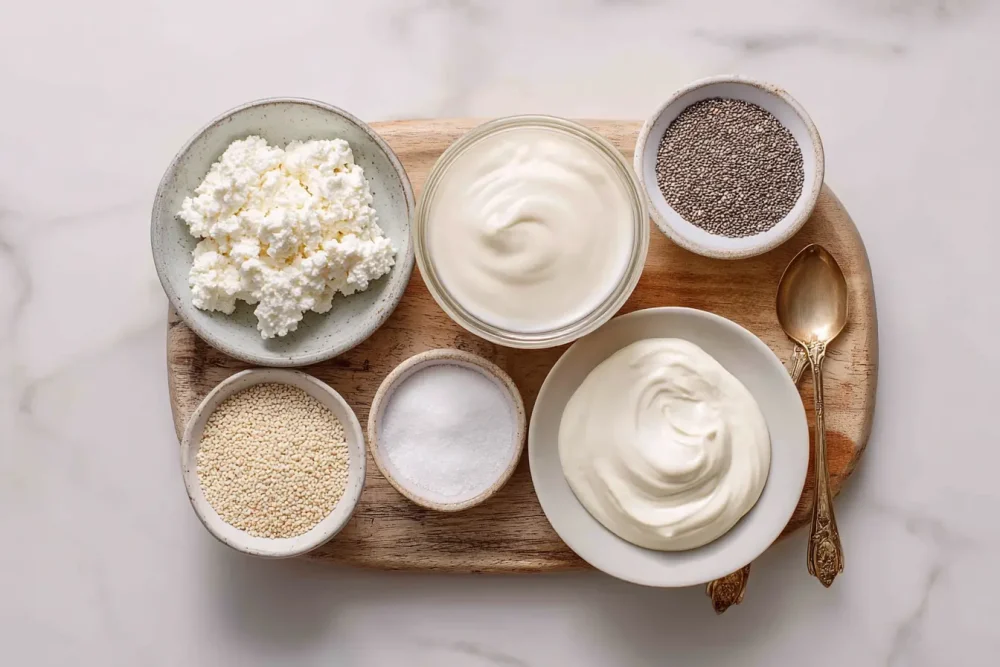
- 250g (1 cup) full-fat cottage cheese, blended smooth
- 250g (1 cup) thick Greek yoghurt (Jalna or Chobani)
- 30g (1 scoop) vanilla protein powder
- 2 tbsp chia seeds
For more ways to use cottage cheese in no-cook snacks and meals, the cottage cheese wrap recipe on the site is worth a look.
How to Make It
1. Blend the cottage cheese. Add 250g cottage cheese to a food processor or use a stick blender in a tall jug. Blend for 30-40 seconds until completely smooth, no lumps.
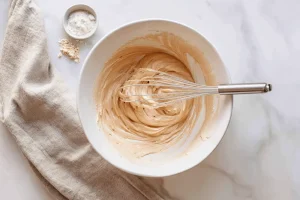
2. Combine the base. Transfer blended cottage cheese to a medium bowl. Add 250g Greek yoghurt. Stir until evenly combined.
3. Add powder and seeds. Sift in 30g vanilla protein powder to avoid lumps, then add 2 tbsp chia seeds. Fold everything through gently with a spatula.
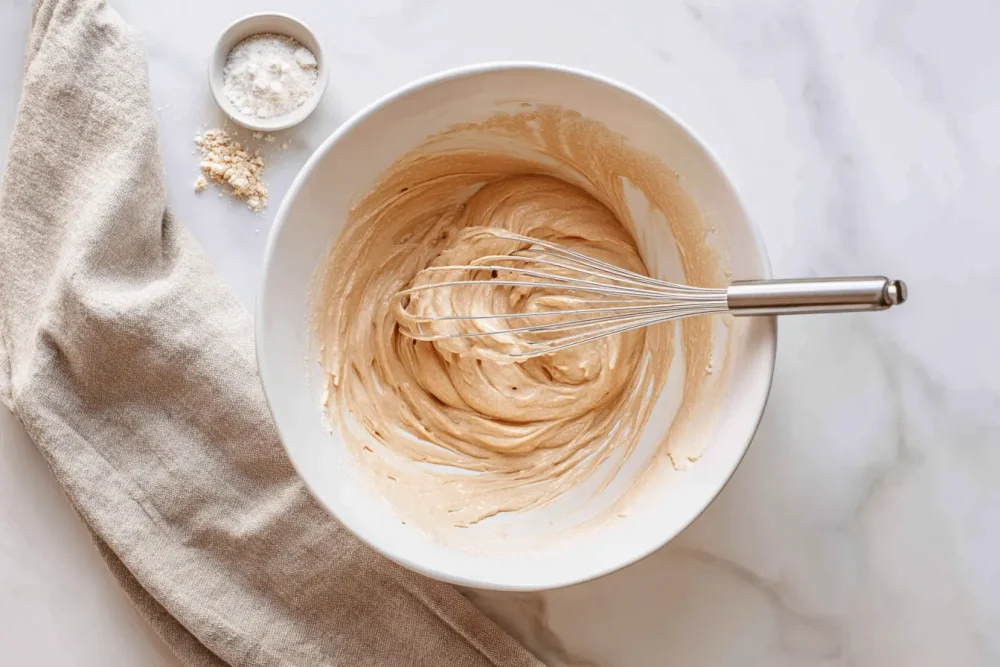
4. Taste and adjust. If you want it sweeter, a drizzle of honey or half a teaspoon of vanilla extract works. I usually don’t bother – most vanilla protein powders are sweet enough.
5. Chill for at least 2 hours. Cover the bowl or divide into jars. Refrigerate for a minimum of 2 hours, or overnight. The chia seeds need time to swell and firm the pudding.
6. Serve cold. Stir once before serving. Top with whatever you have – frozen blueberries, a spoon of almond butter, or nothing at all.
This approach also works well as a base layer in a cottage cheese chocolate mousse with chia seeds if you want to go down that path instead.
Why I Keep Coming Back to This One
I’ll be straight with you – I was skeptical the first time I made a protein pudding recipe that called for cottage cheese. The idea of blending it with yoghurt and chilling it overnight seemed like something that would end in disappointment. And the first batch I made, I forgot to blend the cottage cheese beforehand. It was gritty and weird and I nearly gave up.
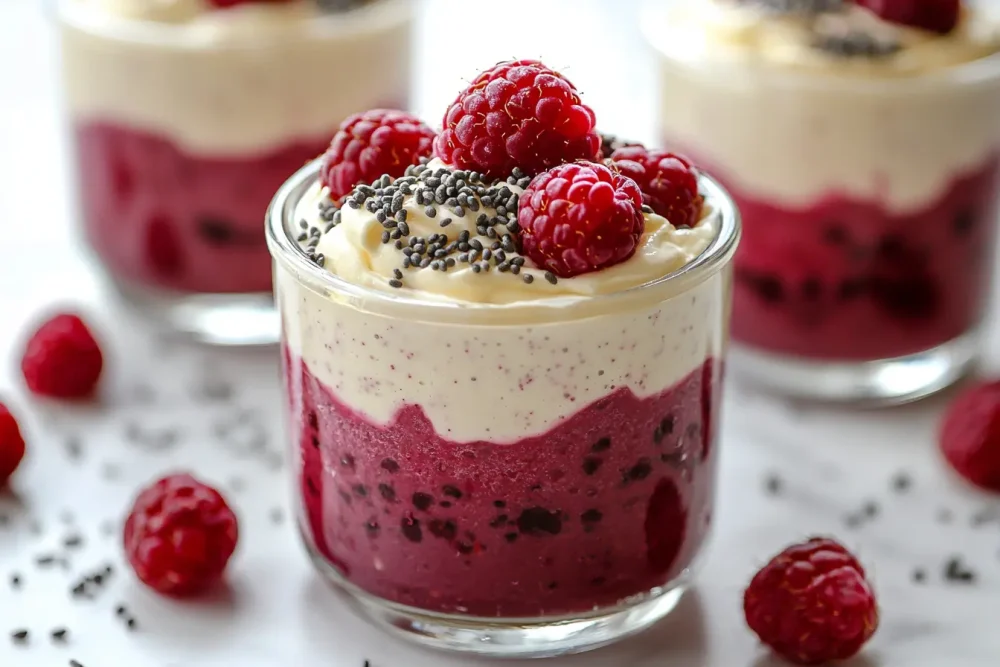
Second time I blended it properly, chilled it overnight, and topped it with frozen raspberries from the Coles freezer section. That’s the version I’ve been making ever since. It keeps in the fridge for three days without going watery, which is more than I can say for most no-cook snacks. For a protein pudding recipe that earns its place in the weekly rotation, this one probably costs about $3 a serve when you account for the ingredients, which is genuinely cheaper than any ready-made option at the servo or supermarket fridge.
Where I Went Wrong First (And How I Fixed It)
Right, so this protein pudding recipe took me three proper attempts before I landed on the version above. I think that’s worth being upfront about.
Batch one: I used a low-fat cottage cheese because it was on special at Woolworths. The texture was loose and almost watery even after overnight chilling. The fat content matters here. Full-fat only, probably 4% or higher on the label.
Batch two: I added the chia seeds and protein powder at the same time as the cottage cheese, before blending. The chia seeds went through the blade and basically vanished. The protein pudding set fine but it was denser than I wanted and had an oddly uniform texture with no chia seed body to it. Fold the seeds in last, after blending.
Batch three was close, but I used a plant-based protein powder with a pea-protein base and it made the whole thing faintly grainy even with proper blending. I’d say plant-based powders can work, but you need one that mixes cleanly on its own first. I tested the Amazonia Raw Protein Vanilla in a glass of water before adding it to this protein pudding recipe, and that told me pretty quickly it wasn’t going to blend smooth. Swapped to a whey-based vanilla powder and the texture sorted itself out.
The version you’ve got now came from those three failures. Worth knowing before you start.
Tips That Actually Make a Difference
Blend the cottage cheese in a tall jug. A stick blender in a wide bowl splashes. Use something narrow and deep, and go for a full 30 seconds minimum. You’ll see the texture shift from lumpy to glossy. This single step is probably what separates a good protein pudding recipe from one that ends up grainy and abandoned at the back of the fridge.
Sift the protein powder in. This one step probably does more than anything else for avoiding clumps. Tip the scoop into a small sieve over the bowl and tap it through. Takes ten seconds and saves you stirring out stubborn lumps later.
Don’t skip the overnight chill if you can help it. Two hours gets you most of the way there, but overnight is noticeably better for this protein pudding recipe. The chia seeds absorb more liquid, the flavours settle, and the whole thing becomes denser and more cohesive. I usually make this on Sunday evening and it’s ready for the week.
Taste before the chill, not after. Cold dulls sweetness slightly, so if it tastes right at room temperature, it’ll be just a fraction less sweet once set. Add a teaspoon of honey now if you want it sweeter when cold.
Use a kitchen scale for the protein powder. Scoops vary wildly between brands. 30g is 30g, and getting the ratio right keeps this protein pudding recipe consistent, much like the approach in the healthy protein granola recipe where knowing exact quantities matters.
Variations Worth Trying
Chocolate protein pudding. Swap the vanilla protein powder for a chocolate whey powder and add 1 tbsp of Dutch-process cocoa. The result is richer and more dessert-like. This version of the protein pudding recipe is genuinely different in flavour profile, not just a minor tweak. I’d probably serve it in smaller portions – it’s a bit more intense than the vanilla base.
Peanut butter version. Stir 2 tbsp of natural peanut butter through the base after blending. Adds fat and a savoury-sweet thing that works well as an afternoon snack. The no bake peanut butter banana pie has a similar flavour logic if you want something more dessert-forward.
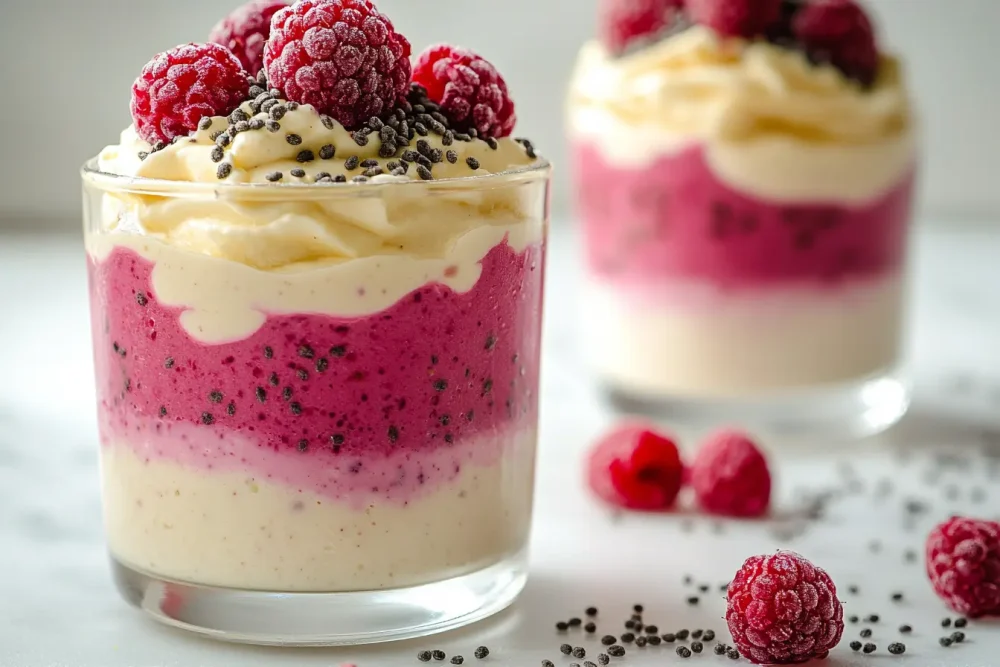
Berry swirl. Mash 80g of thawed frozen raspberries with a fork and swirl through the finished protein pudding before chilling. Don’t fully mix it in – leave streaks. The slight tartness cuts through the creaminess well, and it looks a lot better in a jar than the plain version.
How to Serve It
This protein pudding recipe is versatile enough to go multiple directions depending on the occasion.
As a post-dinner dessert, serve in small Weck jars or ramekins with a handful of fresh blueberries and a few crushed granola clusters on top. The crunch contrast is genuinely good. For a weekday breakfast, I’ll sometimes spoon this protein pudding recipe over a base of rolled oats soaked overnight in a little milk, which turns it into something closer to a layered parfait. Good for school pickup mornings when you want something that travels.
For a higher-protein lunch addition, serve alongside a wrap or a light salad. The easy high protein cold lunch ideas for work post has a few combinations that pair well with something like this protein pudding recipe.
How I’m Using It This Week
Lately I’ve been making a double batch on Sunday and splitting it between plain vanilla and the chocolate variation. I keep the protein pudding in four small jars each. Honestly, it’s become one of those things I just make without thinking about it now – like keeping eggs in the fridge. The total ingredient cost for eight serves is around $12 to $14 depending on which protein powder I’ve got open, which works out to about $1.50 to $1.75 a serve. That’s a fair bit cheaper than the Chobani Fit or Pauls Protein range from Coles. The texture of the homemade protein pudding recipe is, I’d say, noticeably thicker than most commercial options too.
Storage and Meal Prep
This protein pudding recipe stores well. Covered jars in the fridge last three to four days without any texture breakdown, as long as you’re using full-fat ingredients. Low-fat versions tend to go watery by day two.
If you’re meal prepping, portion the protein pudding directly into small airtight jars straight after making. Don’t add toppings until serving – fresh fruit releases moisture and softens things faster than you want. Nut butters and granola go on right before eating.
It doesn’t freeze well. The chia seeds go an odd texture once thawed and the yoghurt separates. Stick to the fridge for this one.
A Note on What’s in the Bowl
This protein pudding recipe uses cottage cheese and Greek yoghurt as its protein base. Both are solid dairy sources worth understanding before you start swapping things out. The USDA FoodData Central database lists full-fat cottage cheese at around 11g of protein per 100g, and thick Greek yoghurt at roughly 9-10g per 100g depending on the brand. Combined with a standard 30g scoop of whey protein powder, a full batch of this protein pudding recipe carries a solid protein contribution across four serves.
No specific numbers claimed here beyond what the ingredient labels tell you. Check the nutritional panel on your specific protein powder – they vary more than you’d think.
Common Mistakes
Not blending the cottage cheese first. I know I’ve said this already, but it’s the single most common reason this protein pudding recipe doesn’t work. If you add the cottage cheese unblended, no amount of stirring will fix the texture after chilling. Thirty seconds in a tall jug with a stick blender is all it takes.
Using flavoured yoghurt instead of plain. Strawberry or honey yoghurt changes the flavour balance of the protein pudding and usually adds extra sweetness that clashes with vanilla protein powder. Plain Greek yoghurt only.
Trying to serve it after just 30 minutes in the fridge. The chia seeds haven’t done their job yet. If the pudding seems loose and wet, it almost certainly just needs more time. Two hours minimum, overnight ideally.
FAQ
Can I make this protein pudding recipe without protein powder?
Yes, though the structure will be softer and less set. The protein powder acts as a thickener as well as a flavour source. If you leave it out, reduce the Greek yoghurt by about 50g and add an extra tablespoon of chia seeds to compensate for the lost structure.
What’s the difference between making this protein pudding recipe with whey protein versus plant-based protein powder, and does it affect the final texture?
Whey protein generally blends smoother and produces a creamier result. Plant-based protein powders, especially pea-based ones, can leave a slightly grainy texture depending on the brand. If you’re using a plant-based powder, test it by mixing a scoop with cold water first. If it blends cleanly, it’ll probably work fine in this protein pudding recipe. The Amazonia Raw Protein range is a bit hit-or-miss here depending on the flavour.
I followed the recipe exactly but my protein pudding recipe came out watery after overnight chilling – what went wrong, and how do I fix the next batch?
Most likely cause is low-fat cottage cheese or a thin Greek yoghurt. Full-fat cottage cheese (4% or higher) and a thick Greek yoghurt like Jalna or Chobani are both important for this protein pudding recipe. A second possible cause is a protein powder with a lot of added maltodextrin or fillers, which can add moisture rather than absorb it. Switching brands or trying a different flavour sometimes resolves it without any other changes needed.
That’s the Recipe
This protein pudding recipe is one of those things that takes almost no time but consistently comes out well. Make it once with full-fat ingredients and proper overnight chilling, and you’ll have a solid sense of how to adjust it to your taste from there.

Protein Pudding Recipe
Ingredients
Equipment
Method
- Add 250g cottage cheese to a food processor or use a stick blender in a tall jug. Blend for 30-40 seconds until completely smooth, no lumps.

- Transfer blended cottage cheese to a medium bowl. Add 250g Greek yoghurt. Stir until evenly combined.
- Sift in 30g vanilla protein powder to avoid lumps, then add 2 tbsp chia seeds. Fold everything through gently with a spatula.
- If you want it sweeter, a drizzle of honey or half a teaspoon of vanilla extract works. Most vanilla protein powders are sweet enough.
- Cover the bowl or divide into jars. Refrigerate for a minimum of 2 hours, or overnight. The chia seeds need time to swell and firm the pudding.
- Stir once before serving. Top with frozen blueberries, a spoon of almond butter, or serve plain.