Bread Using Cottage Cheese: Easy 2-Ingredient Fluffy Loaf
Bread using cottage cheese is a simple 2-ingredient loaf with a soft crumb and golden crust. No yeast, no kneading, ready in under an hour.
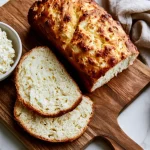
There’s a loaf cooling on my bench right now, and I’ll be honest, it still surprises me every single time. Bread using cottage cheese sounds like something you’d stumble across at 11pm and immediately dismiss, but this one genuinely earns its place in the weekly rotation. The inside is soft and a bit springy, the crust catches just enough colour in the oven, and the whole thing comes together without any yeast, any kneading, or any of the usual bread-making drama. I’ve made it on a Tuesday after school pickup when I had basically nothing in the fridge, and it still turned out well.
Two ingredients. That’s it, more or less. Cottage cheese and self-raising flour, and you’ve got yourself a proper loaf.
Why This 2-Ingredient Loaf Actually Works
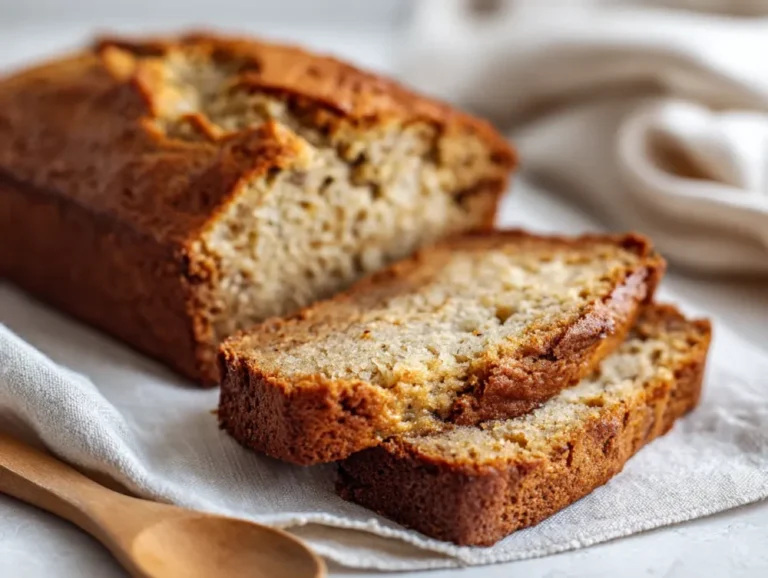
The science here is kind of fascinating, if you think about it. Self-raising flour already has baking powder built in, so when the batter hits a hot oven, it gets the lift it needs without any fiddling. The cottage cheese does a few things at once: it adds moisture so the crumb stays soft, it brings a mild tang you’d probably mistake for sourdough if you weren’t looking for it, and it gives the loaf a bit of structure that plain water simply can’t.
I reckon a lot of people skip this recipe because they assume cottage cheese will make the bread taste cheesy or strange. It doesn’t. Once it’s baked, you get a neutral, slightly savoury loaf that works just as well with jam as it does with avocado or a slice of Bega cheddar.
The other thing worth knowing is that this bread using cottage cheese formula is genuinely forgiving. You don’t need the cottage cheese to be a specific fat percentage, you don’t need to drain it, and you don’t need to wait for anything to come to room temperature. Mix, pour, bake.
What Goes Into It
Most of the time I grab a 500g tub of Jalna or the Woolworths full-fat cottage cheese. Full-fat gives a slightly more tender crumb, though the reduced-fat versions from Coles work fine too. The main thing is avoiding the flavoured varieties, obviously.
For flour, I use standard self-raising from Aldi or a Woolworths home brand, and honestly the results are identical to the fancier stuff. I’ve tested this with White Wings too, and there’s no meaningful difference. If you only have plain flour, you can add 2 teaspoons of baking powder per cup, though the rise is a touch less dramatic.
Optionally, you can add a pinch of salt, a teaspoon of honey, or a handful of mixed seeds on top before baking. Those aren’t counted in the “2-ingredient” part, but they’re worth knowing about. A drizzle of olive oil on the top gives a nice golden crust. For more ideas on what to pair with a simple homemade loaf, check out the Tuna Cucumber Sandwich Recipe on the site, which is a good lunch option with sliced homemade bread.
External reference for cottage cheese nutrition and properties: USDA FoodData Central – Cottage Cheese
Ingredients:
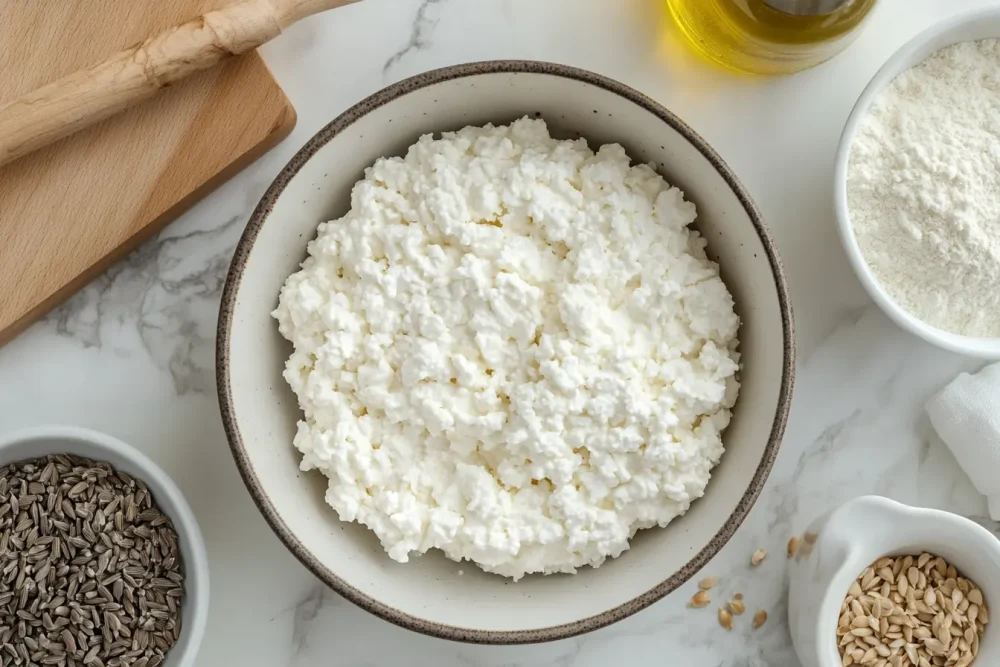
- 500g (2 cups) full-fat cottage cheese (Jalna or Woolworths brand)
- 240g (2 cups) self-raising flour, plus extra for dusting
- 2 tsp Baking powder
- 1/2 tsp fine sea salt
- (optional) 1 tsp honey, 2 tbsp mixed seeds for topping, 1 tbsp olive oil for brushing
How to Make It
For another quick bread on the site, the Quick Delicious 4 Ingredient Banana Bread Recipe follows a similar no-fuss approach if you want to see how the method compares.
1. Preheat the oven
Set your oven to 180°C (350°F, Gas Mark 4). Grease a standard 22 x 12cm loaf tin with a little butter or oil and dust lightly with flour.
2. Combine the ingredients
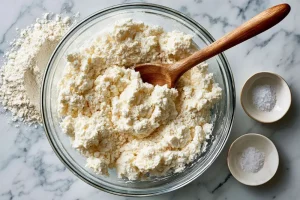
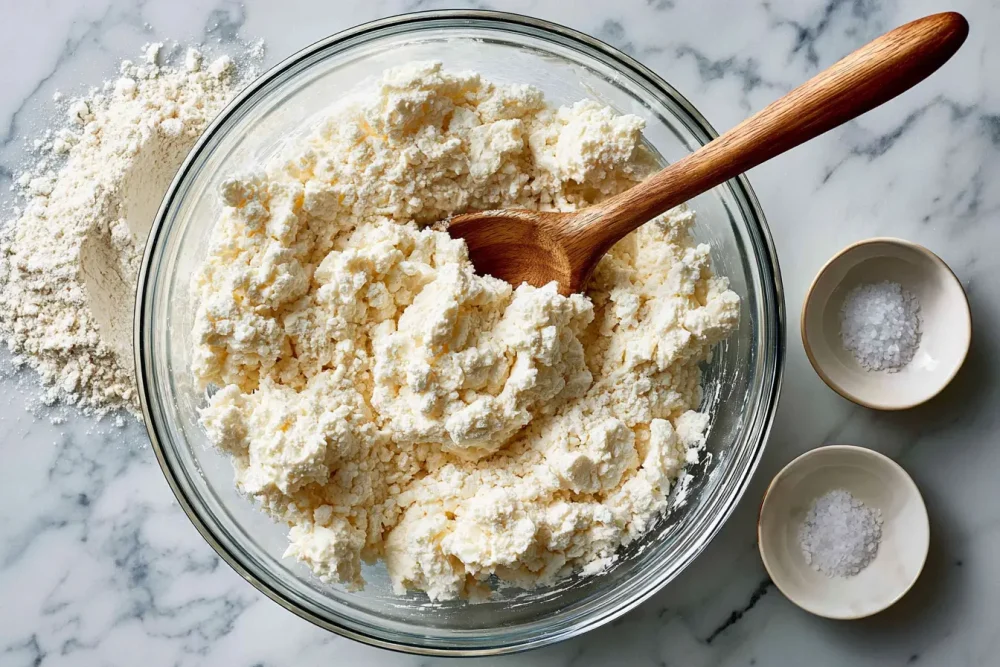
Add the cottage cheese to a large mixing bowl. Tip in the flour and stir with a wooden spoon or spatula until a shaggy dough forms. It’ll look a bit rough and that’s fine.
Don’t overmix.
3. Shape and transfer
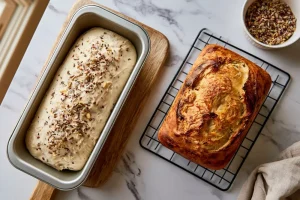
Turn the dough out onto a lightly floured surface. Give it a gentle fold two or three times, then shape it into a rough log. Drop it into the prepared tin.
4. Top and bake
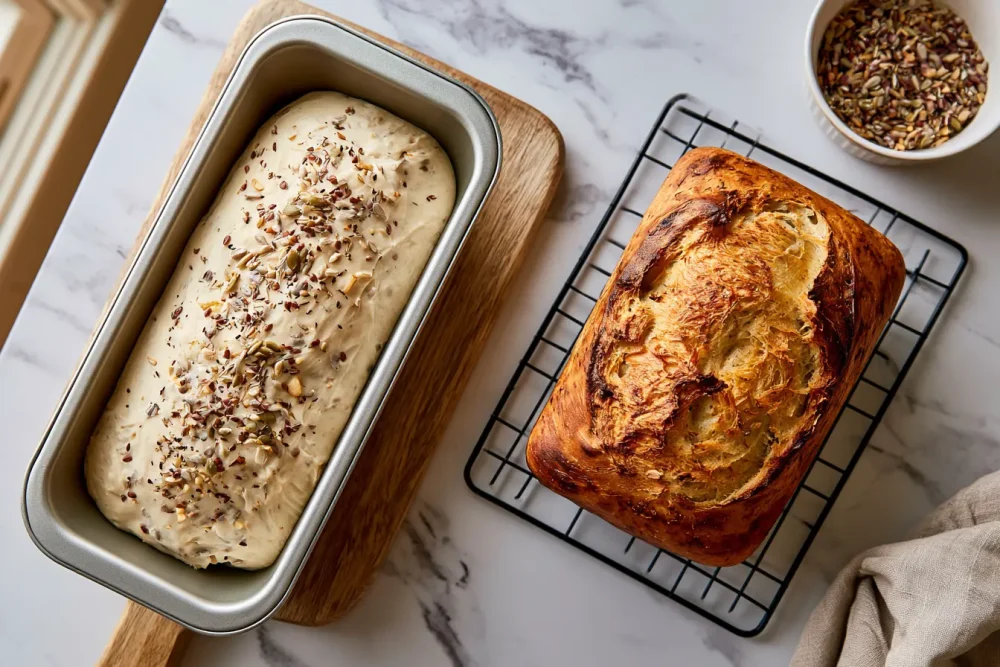
Brush the top with olive oil if using, scatter seeds if you like, and slide it into the oven. Bake for 40-45 minutes until the top is a deep golden brown. At the 40-minute mark I do the knock test: tap the bottom of the loaf and listen for a hollow sound.
5. Cool before slicing
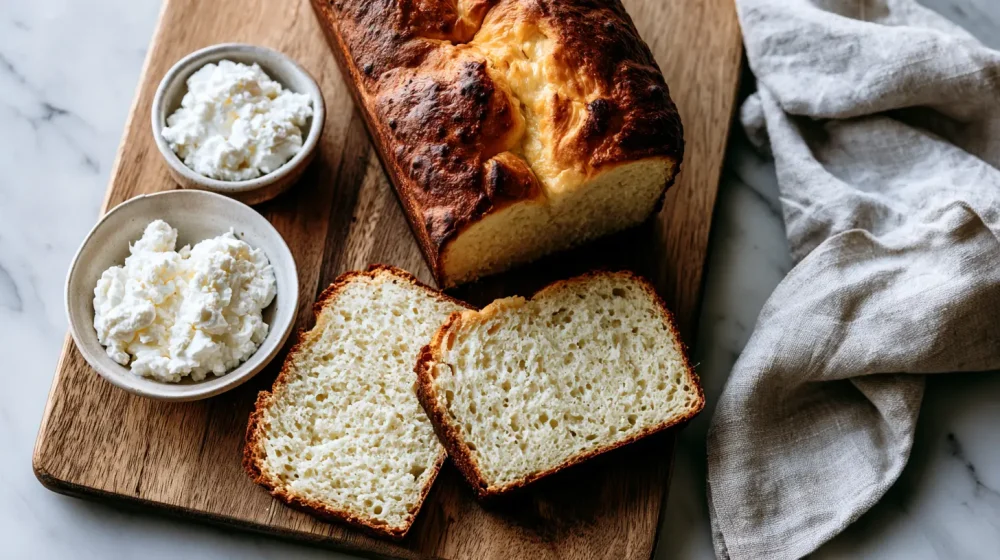
Set the loaf on a wire rack for at least 20 minutes before you cut into it. Cutting too early compresses the crumb and you lose that soft interior. I know it’s hard to wait.
My Take on This One
Right, so I first tried bread using cottage cheese back when the 2-ingredient bread thing was doing the rounds on TikTok, and I was pretty sceptical. My first loaf was dense in the middle and pale on top because I hadn’t preheated the oven properly. The second one I pulled out too early, which meant a gummy centre. Third try I left it a full 45 minutes and let it cool properly, and that’s when it clicked. There’s a very short learning curve here, but once you’ve done it once you’ll basically nail it every time after that.
I make this bread using cottage cheese about once a week now, usually on a Sunday. It keeps for three days in an airtight container or a day longer in the fridge. My youngest has started requesting it with peanut butter after school, which is probably the best endorsement I can offer.
What I Got Wrong First (And What Finally Worked)
Honestly, this bread using cottage cheese recipe took me a few rounds to get right, and I think it’s worth being upfront about that.
My first real failure was using low-fat cottage cheese, the kind where they’ve strained out most of the moisture. The dough was dry and crumbly before it even hit the tin, and the finished loaf had this dense, almost chalky texture that no amount of butter on top could fix. Lesson there: full-fat cottage cheese is not optional when you’re making bread using cottage cheese.
Second attempt, I got cocky and added an extra half cup of flour because the dough looked too wet to me. Big mistake. The bread using cottage cheese loaf that came out was tight and heavy, more like a doorstop than a soft sandwich loaf. Turns out that slightly sticky dough is exactly what you want going into the tin.
Third failure was subtler. I used a fan-forced setting at 180°C (350°F, Gas Mark 4) without adjusting the temperature down. The crust went very dark by the 35-minute mark while the centre was still raw. My old Westinghouse oven runs hot on fan-forced, so now I drop to 170°C on that setting and add 5 extra minutes. If yours is similar, probably worth knowing that going in.
Tips That Actually Make a Difference
Use full-fat cottage cheese, always. Reduced-fat versions don’t give you enough moisture or fat for a soft crumb. The Jalna full-fat tub or Woolworths own-brand full-cream cottage cheese both work well, and they’re usually around $3.50 to $4.50 at Coles. Any bread using cottage cheese recipe will tell you this matters, and I’d agree completely.
Don’t overwork the dough. The bread using cottage cheese batter needs about 20 stirs, maybe 25. Once the flour is mostly incorporated with no big dry patches, stop. Overworking develops too much gluten and makes the crumb tight.
Score the top before baking. A quick slash down the centre with a sharp knife, roughly 1cm deep, helps the loaf rise evenly and gives you that bakery-style split on top. I use a small serrated knife. A Stanley knife works too, if you’re not precious about it.
Let it cool fully. I know I mentioned this in the method, but I genuinely cannot stress it enough. Slicing too early compresses the crumb and you end up with a gummy, flat interior. Twenty minutes minimum; thirty is better.
Add-ons go on top, not in. If you want seeds, herbs, or a sprinkle of flaked salt, put them on the surface before the oven. Mixing them into the dough tends to break up the structure and can leave uneven wet spots.
Variations Worth Trying
Herb and garlic version. Mix a teaspoon of garlic powder and a tablespoon of dried rosemary or thyme into the flour before combining. The result is a savoury bread using cottage cheese loaf that works really well alongside a bowl of soup or sliced thin next to a Cottage Cheese Alfredo Sauce pasta dish.
Seeded crust loaf. Before baking, brush the top with a little olive oil and press a mix of sesame seeds, poppy seeds, and sunflower seeds across the surface. The seeds toast during baking and give a bit of crunch and colour that the plain loaf doesn’t have. I find this version of bread using cottage cheese holds up better as a sandwich base.
Cheesy pull-apart style. Press 60g of grated Bega cheddar into the top of the shaped dough and score deeply at 3cm intervals before baking. You get a loaf that pulls apart in rough sections, each piece with a slightly melted cheese crust. Pairs well with a Chickpea Salad for something a bit more substantial at lunch.
How to Serve It
Sliced thick with good butter, bread using cottage cheese works at breakfast alongside eggs or sliced avocado. For lunch it holds together well enough for a proper sandwich, though I’d say it’s better toasted once it’s a day old. Toasting brings back the crust texture and firms up the crumb nicely. Try it with the Tuna Egg Salad Recipe for something fast and filling on a weekday. It’s also a decent base for the Cottage Cheese Wrap Recipe if you want to keep the cottage cheese theme going across the meal.
How I’ve Been Using It Lately
Right now in mid-2026, I’ve been making bread using cottage cheese every Sunday and leaving it on the bench in a linen-lined bread bag. School mornings are chaotic, and knowing there’s already a loaf ready to slice means one less thing to think about before 8am. I’ve started cutting it into thick slices and freezing half the loaf in a zip-lock bag, pulling out a piece the night before and leaving it to thaw on the counter. It toasts from frozen in about 3 minutes flat in my Breville Smart Toaster. Total cost per loaf is probably around $3.80 when I buy the ingredients at Aldi, which is a reasonable argument for making your own bread using cottage cheese rather than buying a supermarket loaf.
Storage and Meal Prep
Store the loaf in an airtight container or wrapped in a clean tea towel at room temperature. Bread using cottage cheese keeps well for two to three days. After that, the crumb starts to dry out, though it toasts fine for another day or two beyond that. If you’re in a humid part of Australia, the fridge extends it by a day without affecting the texture too badly.
For meal prep, slice the whole loaf once cooled, layer slices with baking paper between them, and freeze in a zip-lock bag. Individual slices go straight from the freezer into the toaster. Bread using cottage cheese freezes well for up to six weeks, which is more forgiving than most homemade loaves.
What This Bread Actually Gives You
Bread using cottage cheese is a solid source of protein from the dairy, and the flour contributes carbohydrates that give you staying power through the morning. A slice of about 60g has roughly 6-8g of protein depending on the cottage cheese brand you use. According to data from the USDA FoodData Central, full-fat cottage cheese contains around 11g of protein per 100g, which is a meaningful contribution for a bread recipe. It sits somewhere between a regular white loaf and a protein-enriched bread in terms of composition, without any of the additives you’d typically find in fortified supermarket options.
Where This Goes Wrong for People
Pulling it out too early. The top looks done at 35 minutes but the centre isn’t. Always do the knock test. Tap the bottom of the loaf firmly with your knuckle. A hollow sound means done; a dull thud means more time.
Skipping the cooling step. The bread using cottage cheese interior needs time to set after the oven. Slicing too soon gives you a gummy centre that people mistakenly blame on the recipe when really it just needed another 15 minutes on the rack.
Using flavoured or whipped cottage cheese. Both cause issues. Flavoured versions (like the chive and onion varieties you sometimes see at Woolworths) can produce odd results, and whipped cottage cheese has a different water content that throws off the dough consistency entirely.
FAQ
Can I use plain flour instead of self-raising for bread using cottage cheese?
Yes, you can. Add 2 teaspoons of baking powder per 240g (2 cups) of plain flour and mix them together before combining with the cottage cheese. The rise is slightly less dramatic than with self-raising, but the loaf still works well. I’d probably sift the baking powder through to avoid uneven pockets in the crumb.
My bread using cottage cheese came out dense and didn’t rise much. What went wrong?
Most of the time this comes down to one of three things: the oven wasn’t fully preheated before the loaf went in, you used low-fat or drained cottage cheese, or you overmixed the dough and developed too much gluten. If you’re using fan-forced mode, drop the temperature by about 10°C and check whether your oven runs hot. An oven thermometer, even a cheap one from Kmart, is worth having if you bake regularly. The bread using cottage cheese batter also needs to go into the tin fairly quickly once mixed, so don’t let it sit around on the bench.
Does bread using cottage cheese taste like cheese?
It doesn’t, which is probably the most common concern people have going in. The cottage cheese bakes into the loaf completely and what you’re left with is a mild, slightly savoury crumb with a faint tang, kind of like a very gentle sourdough flavour. Most people who’ve tried bread using cottage cheese can’t identify the dairy ingredient at all unless they already know it’s in there. The flavour is neutral enough that it works with sweet toppings like honey or jam just as well as it does with savoury things like avocado or sliced turkey.
Bread using cottage cheese has quietly become one of the most useful things I make. There’s not much fuss to it, the ingredients cost almost nothing, and it produces a loaf that genuinely surprises people when you tell them what’s in it. Worth making once, at least.

Bread Using Cottage Cheese
Ingredients
Equipment
Method
- Set your oven to 180°C (350°F, Gas Mark 4). Grease a standard 22 x 12cm loaf tin with a little butter or oil and dust lightly with flour.

- Add the cottage cheese to a large mixing bowl. Tip in the self-raising flour, baking powder, and salt, then stir with a wooden spoon or spatula until a shaggy dough forms. Do not overmix.
- Turn the dough out onto a lightly floured surface. Give it a gentle fold two or three times, then shape it into a rough log. Drop it into the prepared loaf tin.
- Brush the top with olive oil if using, scatter over mixed seeds if desired, and bake for 40–45 minutes until the top is deep golden brown. Tap the bottom of the loaf; it should sound hollow when done.
- Set the loaf on a wire rack for at least 20 minutes before slicing so the crumb can set properly.