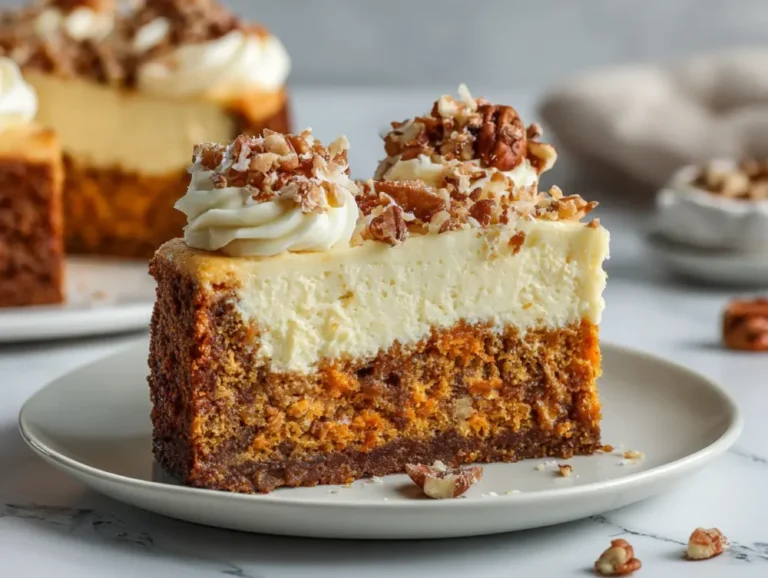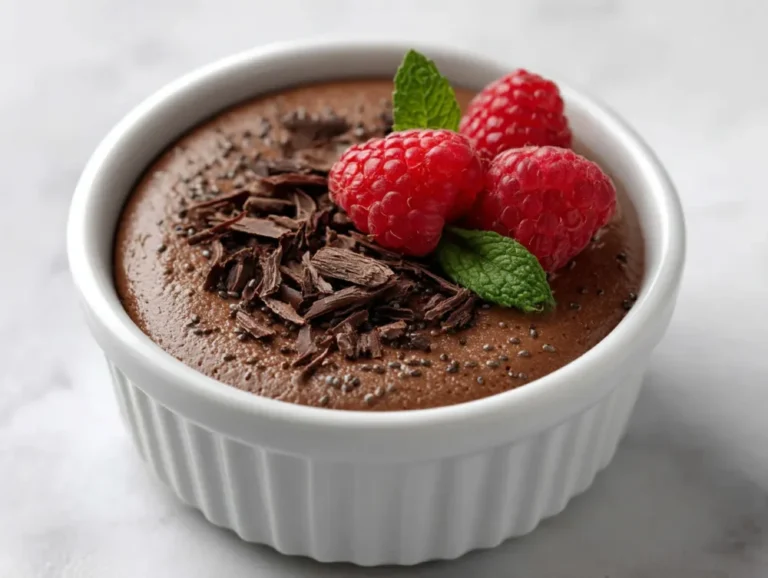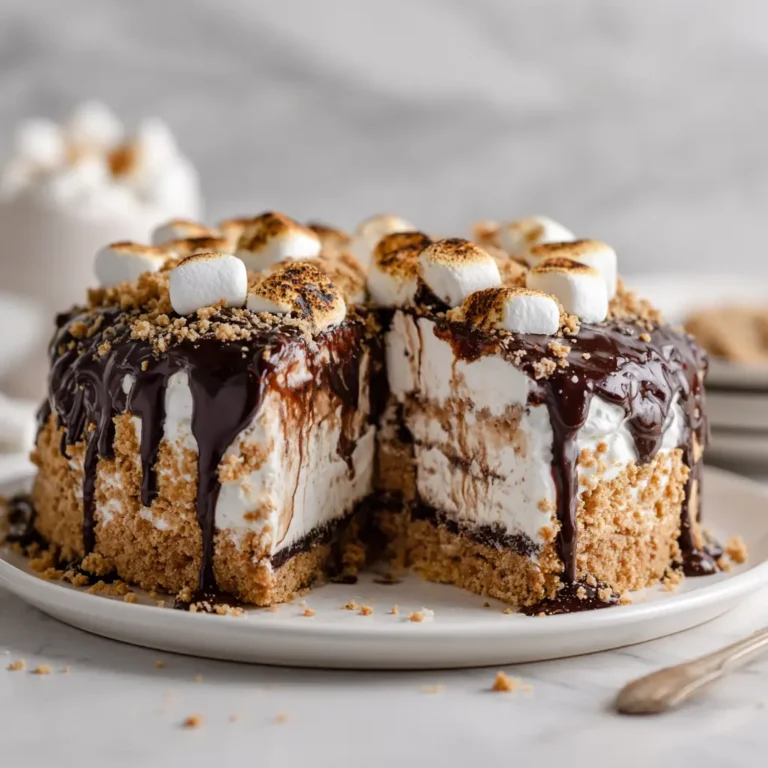
Creami Recipes: 25 Easy High-Protein Ice Cream Flavours
Creami recipes made simple — 25 high-protein ice cream flavours using Greek yoghurt, cottage cheese and whey. Tested, tweaked and totally worth it.

A Freezer Full of Possibilities
My Ninja Creami sat in the box for three weeks after I bought it from Aldi Australia. I’d seen creami recipes all over my feed, thought “yeah, I’ll get to that,” and then promptly stacked it under a pile of tea towels and forgot about it. When I finally pulled it out on a rainy Sunday in July, I made a strawberry vanilla pint that tasted genuinely better than anything from the Woolies freezer aisle, and I’ve been making creami recipes on rotation ever since.
What drew me in wasn’t some big health awakening. Honestly, it was the texture. That dense, scoopable, almost-too-thick consistency you get from a properly processed Creami pint is unlike anything a blender or food processor can produce. You freeze your base overnight, run it through the machine, and out comes something that holds its shape on the cone. Most of the creami recipes in this collection land between 20g and 35g of protein per pint, which I reckon is a nice bonus when you’re having dessert anyway.
I’ve tested these over about four months, working through probably 40 or 50 batches. Some were disasters. A few were genuinely great on the first go. Most needed two or three tweaks before they felt worth sharing. The 25 creami recipes below cover everything from rich chocolate peanut butter to a mango coconut sorbet-style pint that’s become my go-to after summer beach days at Manly.
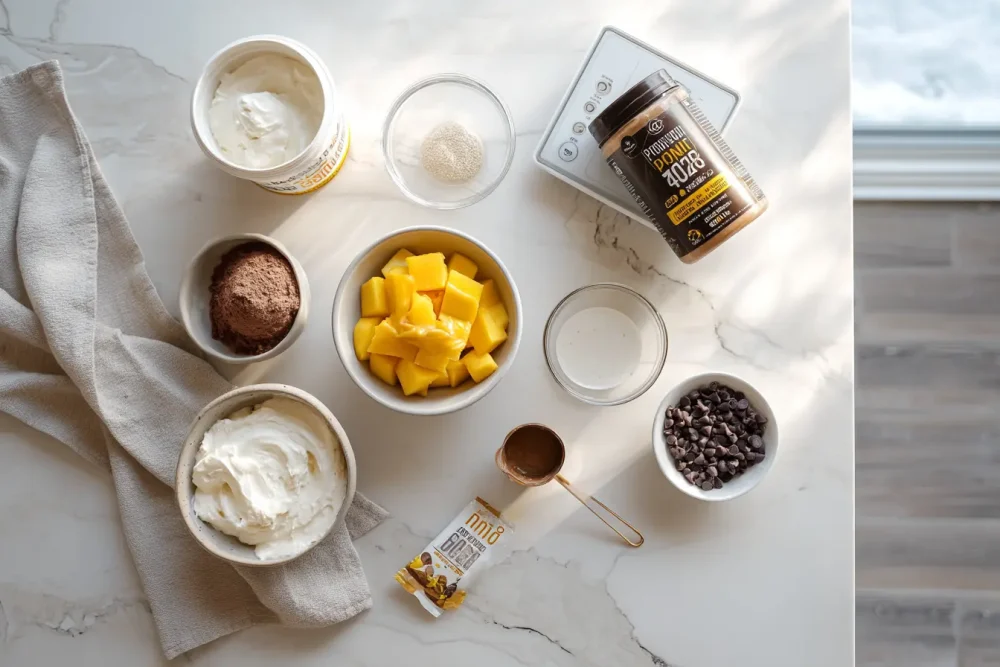
You don’t need fancy equipment beyond the Creami itself. A kitchen scale (I use a Salter digital from Coles), a 946ml Creami pint container, and a decent freezer are all you’re working with.
Why These Creami Recipes Actually Work
The protein base makes the difference
A lot of creami recipes online use full-fat cream cheese or coconut cream as their only base, and they taste great but the texture can turn icy or crumbly if you’re not careful. The approach I’ve landed on uses Jalna full-fat Greek yoghurt or Chobani as the foundation for most pints, with either a scoop of protein powder or 200g of cottage cheese blended in. That combination gives you enough fat to prevent ice crystals and enough protein to add structure.
Frozen cottage cheese pints in particular surprised me. Blended smooth before freezing, they process into something almost mousse-like. Run a re-spin cycle immediately after the first process and the texture tightens up even further. It’s a bit counterintuitive, but the re-spin is often what separates a good pint from a great one.
Sweeteners matter too. Monk fruit sweetener works well for low-sugar versions, but it can taste slightly flat on its own. I usually use a mix of monk fruit and a tablespoon of raw honey, which rounds the flavour out. Maple syrup works fine in fruit-based creami recipes but can make chocolate pints taste a bit muddy.
Ingredients for 25 Creami Recipes
What you’ll need across the collection
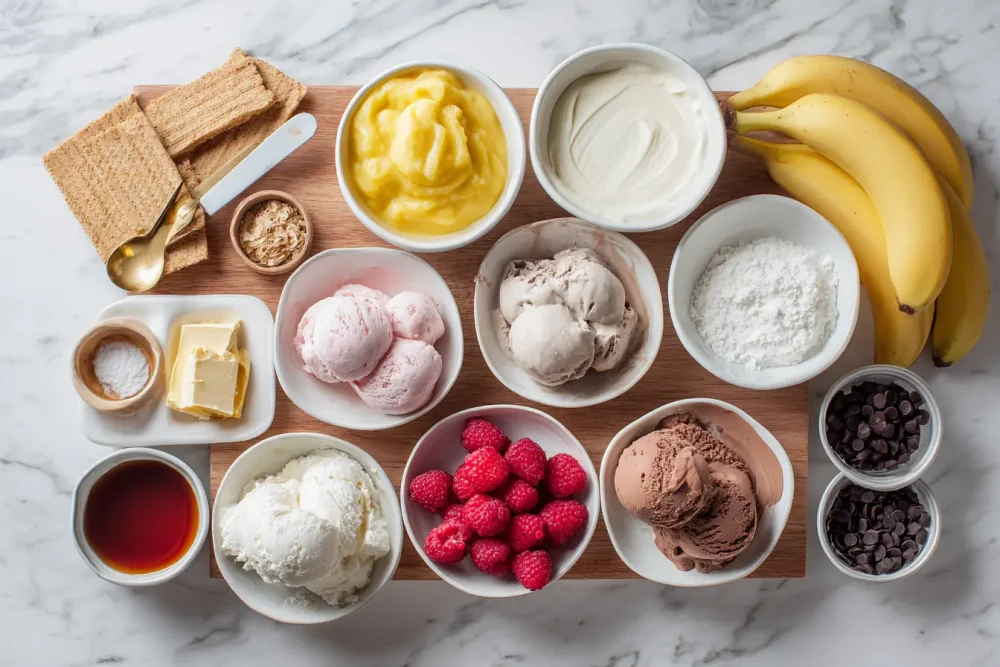
Most of these creami recipes pull from the same core pantry staples, which means once you’ve stocked up once, you can work through 8 or 10 different flavours without another big shop. Vanilla protein powder is the workhorse here. I’ve been using Optimum Nutrition Gold Standard Whey (vanilla) from Chemist Warehouse, though any unflavoured or vanilla whey concentrate works. Chocolate protein powder features in maybe a third of these recipes.
For dairy, you’ll want to grab Jalna Pot Set Greek yoghurt (the 1kg tub from Woolworths is probably the most economical option), Chobani plain Greek yoghurt, and at least one batch of full-fat cottage cheese. Light cream cheese appears in a few of the cheesecake-style pints. For the sorbet and non-dairy bases, canned coconut cream (Ayam brand from Coles or Harris Farm) gives the cleanest flavour.
Frozen fruit from the Coles or Woolworths freezer section works just as well as fresh for most of these, and is generally cheaper. Frozen mango chunks, frozen raspberries, and frozen banana slices are the three I always have on hand. Fresh banana is used for a few recipes where texture is critical.
Vanilla Protein Creami
- 500g full-fat Greek yoghurt
- 250ml unsweetened almond milk
- 2 scoops vanilla whey protein powder
- 1 tsp vanilla extract
- 1 tbsp monk fruit sweetener
Chocolate Protein Creami
- 500g full-fat Greek yoghurt
- 250ml unsweetened almond milk
- 2 scoops chocolate whey protein powder
- 2 tbsp cacao powder
- 1 tbsp monk fruit sweetener
Banana Cream Pie Creami
- 500g full-fat Greek yoghurt
- 2 frozen bananas
- 1 scoop vanilla whey protein powder
- 1 tsp vanilla extract
Mango Cheesecake Creami
- 400g cottage cheese
- 150g frozen mango chunks
- 120g light cream cheese
- 1 tbsp honey
Raspberry Cheesecake Creami
- 400g cottage cheese
- 150g frozen raspberries
- 120g light cream cheese
- 1 tbsp honey
Strawberry Cheesecake Creami
- 400g cottage cheese
- 120g frozen strawberries
- 120g light cream cheese
- 1 tbsp honey
Chocolate Peanut Butter Creami
- 500g full-fat Greek yoghurt
- 2 scoops chocolate whey protein powder
- 2 tbsp peanut butter
- 1 tbsp monk fruit sweetener
Mocha Creami
- 500g full-fat Greek yoghurt
- 2 scoops chocolate whey protein powder
- 1 tsp instant espresso powder
- 1 tbsp monk fruit sweetener
Coconut Cream Creami
- 400ml full-fat coconut cream
- 1 scoop vanilla whey protein powder
- 1 tsp vanilla extract
Banana Peanut Butter Creami
- 2 frozen bananas
- 2 tbsp peanut butter
- 250ml almond milk
- 1 scoop vanilla whey protein powder
Chocolate Chip Creami
- 500g full-fat Greek yoghurt
- 2 scoops vanilla whey protein powder
- 60g dark chocolate chips
Cookie Dough Creami
- 500g full-fat Greek yoghurt
- 2 scoops vanilla whey protein powder
- 30g crushed plain biscuits
- 1 tsp vanilla extract
Cinnamon Roll Creami
- 500g full-fat Greek yoghurt
- 2 scoops vanilla whey protein powder
- 1 tsp cinnamon
- 1 tbsp monk fruit sweetener
Salted Chocolate Creami
- 500g full-fat Greek yoghurt
- 2 scoops chocolate whey protein powder
- 2 tbsp cacao powder
- Pinch sea salt
Strawberry Banana Creami
- 120g frozen strawberries
- 1 frozen banana
- 500g full-fat Greek yoghurt
Raspberry Chocolate Creami
- 150g frozen raspberries
- 2 scoops chocolate whey protein powder
- 500g full-fat Greek yoghurt
Mango Coconut Creami
- 150g frozen mango chunks
- 400ml coconut cream
- 1 scoop vanilla whey protein powder
Banana Mocha Creami
- 2 frozen bananas
- 1 tsp espresso powder
- 1 scoop chocolate whey protein powder
Peanut Butter Cookie Creami
- 2 tbsp peanut butter
- 30g crushed plain biscuits
- 500g full-fat Greek yoghurt
Double Chocolate Creami
- 2 scoops chocolate whey protein powder
- 2 tbsp cacao powder
- 60g dark chocolate chips
- 500g full-fat Greek yoghurt
Vanilla Cheesecake Creami
- 400g cottage cheese
- 120g light cream cheese
- 1 tsp vanilla extract
- 1 tbsp honey
Chocolate Cheesecake Creami
- 400g cottage cheese
- 120g light cream cheese
- 2 tbsp cacao powder
- 1 tbsp honey
Honey Vanilla Creami
- 500g full-fat Greek yoghurt
- 2 tbsp honey
- 1 tsp vanilla extract
Collagen Vanilla Creami
- 500g full-fat Greek yoghurt
- 1 scoop collagen peptides
- 1 scoop vanilla whey protein powder
- 1 tsp vanilla extract
Ultimate Protein Creami
- 500g full-fat Greek yoghurt
- 400g cottage cheese
- 2 scoops vanilla whey protein powder
- 1 scoop collagen peptides
- 250ml almond milk
- 1 tsp vanilla extract
For more frozen treat ideas that work alongside this style of recipe, see our Banana Pudding Milkshake which uses a similar frozen-then-blended approach.
You can read more about Greek yoghurt as a cooking and dessert base at Jalna’s recipe hub, which has some useful guidance on fat content and texture.
How to Make All 25 Creami Recipes (Core Method + Variations)
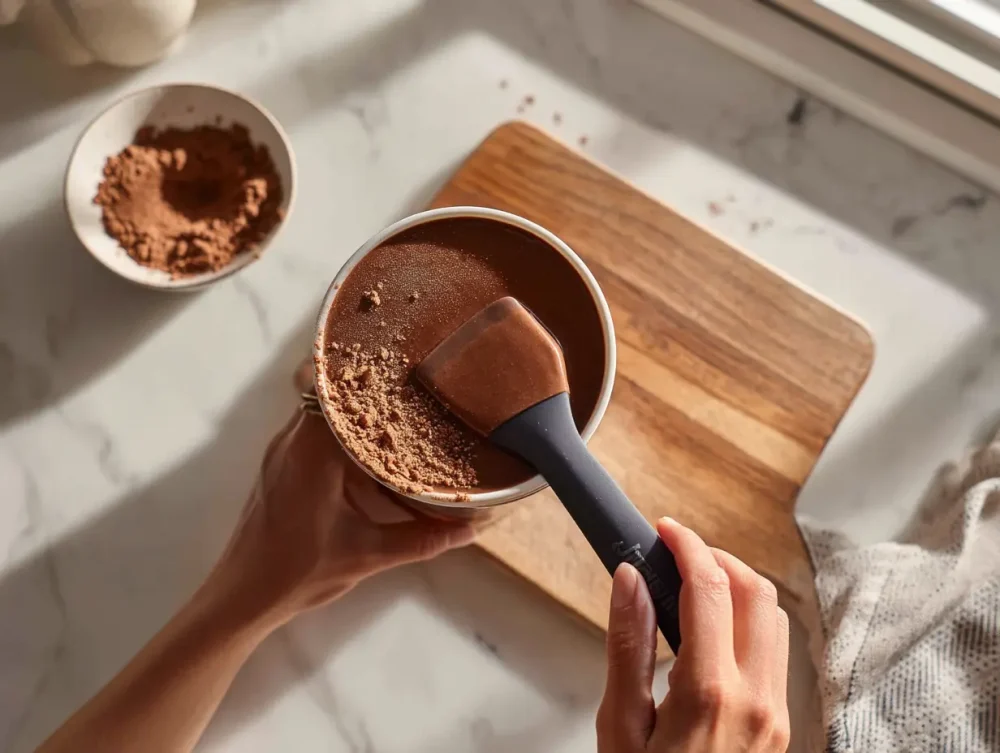
- Blend your base. Combine your protein source (yoghurt, cottage cheese, or coconut cream) with protein powder, sweetener, and any flavouring in a blender or with a stick blender. Blend until completely smooth, about 30 seconds. Lumps in the base cause uneven freezing.
- Fill the pint. Pour into a 946ml Ninja Creami pint container, filling to the max fill line. Don’t overfill — the lid needs clearance or the machine jams.
- Freeze flat. Place the pint on a flat shelf in your freezer for a minimum of 24 hours. I usually do 36 hours for the first freeze. The base needs to be frozen solid all the way through, not just on the outside.
- Let it sit before processing. Take the pint out of the freezer and leave it on the bench for exactly 5 minutes before locking into the machine. This prevents the “full” error on the Creami display and stops the motor straining.
- Run your program. Select “Lite Ice Cream” for yoghurt-based pints, “Ice Cream” for higher-fat bases, and “Sorbet” for fruit-only pints. The full cycle takes about 2 minutes.
- Re-spin if needed. If the texture looks crumbly or powdery after the first cycle, press re-spin immediately. Most cottage cheese-based creami recipes benefit from at least one re-spin. Don’t wait — re-spin while the base is still at processing temperature.
- Add mix-ins. For any pint with chunks (chocolate chips, biscuit pieces, frozen fruit swirls), create a well in the centre of the processed pint, add your mix-ins, then run the “Mix-In” program. One mix-in cycle per pint maximum.
- Serve or refreeze. Serve immediately for the softest texture, or refreeze for 1-2 hours for a firmer scoop. Refrozen pints need another 5-minute bench rest before serving.
For another approach to high-protein frozen desserts, our Cottage Cheese Chocolate Mousse With Chia Seeds uses a similar no-cook, freeze-and-process method.
My Take on Four Months of Creami Recipes
Look, I’ll be straight with you: I burnt through a fair bit of protein powder working these out. The chocolate espresso pint took me six attempts before the bitterness balanced out. The mango coconut sorbet-style pint worked first try, which made me feel like a genius, and then the strawberry cheesecake one failed four times in a row, which quickly fixed that.
What I’ve learned is that creami recipes are more forgiving than they look but less forgiving than people claim online. Freeze time is non-negotiable. I tried rushing a batch once, froze it for only 12 hours because I was impatient, and the machine made a noise I’d describe as “unhappy” before producing something with the texture of loose slush. The 24-hour minimum is real.
I make two or three pints every Sunday now , usually one chocolate-based, one fruit-based, and one experimental. It adds maybe 20 minutes to my weekend and means the freezer always has something worth eating.
What Went Wrong Before I Got This Right
Honestly, my first six weeks of making creami recipes were a mixed bag. The failures were specific enough that I think they’re worth laying out properly.
Attempt one was a vanilla Greek yoghurt pint where I used skim yoghurt instead of full-fat. The base froze fine, processed fine, and then turned into something that looked like shaved ice after about 90 seconds on the bench. Zero creaminess. The fat content in full-fat yoghurt isn’t just a calories thing it’s structural. Skim or low-fat bases don’t hold emulsion once processed, and the texture collapses fast.
Attempt three was a peanut butter chocolate pint where I added the peanut butter after processing as a swirl rather than blending it into the base. The peanut butter froze into hard ribbons that the mix-in program couldn’t fully incorporate. Now I blend peanut butter directly into the base every time, and if I want a swirl effect, I warm the peanut butter slightly and fold it in post-process by hand.
The strawberry cheesecake failure was a sweetener problem. I’d used only monk fruit, no honey, no maple syrup. The flavour was flat and slightly chemical. Adding just one tablespoon of raw honey fixed it on attempt five. Monk fruit on its own works in chocolate pints because cocoa is assertive enough to cover any flatness, but in fruit and vanilla-based creami recipes you need something with a bit of warmth behind it.
The most embarrassing one: I processed a fully-frozen pint without the 5-minute bench rest because I was in a hurry, and it threw an error mid-cycle. The base wasn’t damaged, but I had to refreeze it and wait another 24 hours. That mistake I’ve only made once.
Tips Worth Knowing Before You Start
Freeze on a flat surface, every time. An uneven freeze means one side of the pint processes faster than the other and you end up with a weird texture gradient. I put my pints on a small cutting board in the freezer so they’re always level.
Protein powder brand matters more than people say. Whey concentrate blends smoother and freezes with better texture than whey isolate in most creami recipes. Isolate tends to produce a slightly grainy finish, especially in yoghurt-based pints. I’ve had good results with Optimum Nutrition Gold Standard and with Bulk Nutrients’ WPC from their website. Collagen peptides, if you use them, add body without affecting flavour.
Don’t skip the re-spin on cottage cheese bases. The first process cycle on a cottage cheese pint almost always looks crumbly. Press re-spin immediately — don’t wait, don’t open the lid and poke around, just hit re-spin. The second cycle is usually the one that produces the mousse-like texture these creami recipes are known for.
Liquid volume in the base affects texture. Bases with more than about 180ml of liquid per pint tend to freeze icier. If your base looks thin before freezing, add another tablespoon of Greek yoghurt or cream cheese to thicken it up. See our Cottage Cheese Alfredo Sauce for how cottage cheese behaves as a blended thickener in other contexts, similar principle at work.
For fruit-forward pints, add a small amount of fat. Even in sorbet-style creami recipes, a tablespoon of coconut cream or a few cashews blended in prevents the pint from going icy. Pure fruit with no fat freezes like a block and processes chalky.
Variations Worth Making
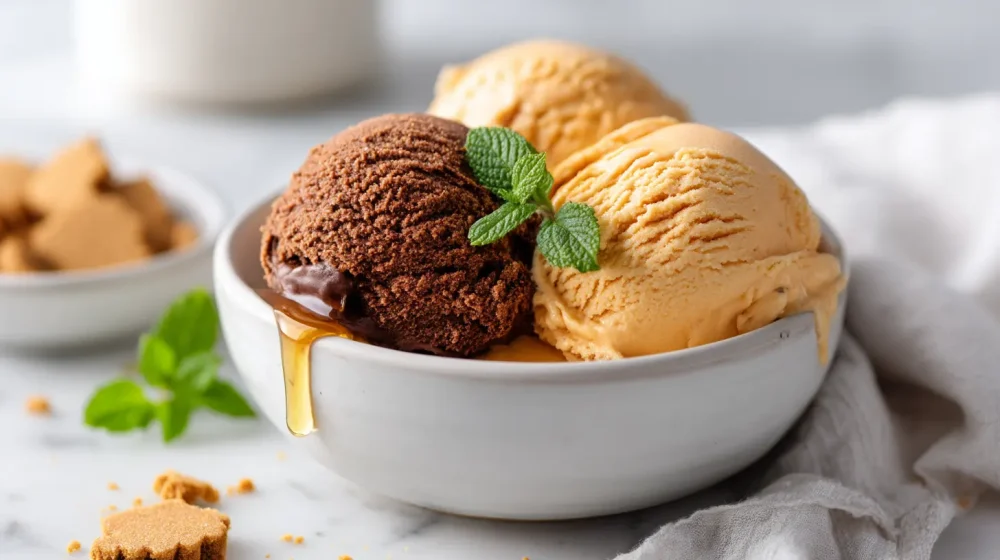
Tiramisu pint. Blend 250g Jalna Greek yoghurt, 150g cottage cheese, 1 scoop vanilla protein powder, 1 tsp instant espresso powder, 1 tbsp raw honey, 1 tsp pure vanilla extract, and a pinch of sea salt. Freeze 36 hours, process on Lite Ice Cream, re-spin once. After processing, create a well in the centre and add 30g crushed Arnott’s Scotch Finger biscuits through the Mix-In program. The espresso and biscuit combination is probably I’d say the most crowd-pleasing of all the creami recipes in this collection.
Mango coconut sorbet. Blend 200g frozen mango chunks, 200ml Ayam full-fat coconut cream, 1 tbsp monk fruit, juice of half a lime, and a pinch of sea salt. No protein powder in this one, the coconut cream provides enough fat for good texture. Process on Sorbet. This one works first try almost always, and it’s the variation I’d send someone to if they’ve never made creami recipes before. Our Blueberry Tiramisu uses a similar fruit-forward, no-bake approach if you want something to serve alongside.
Chocolate peanut butter protein pint. Blend 200g Chobani plain Greek yoghurt, 100g cottage cheese, 1 scoop chocolate whey, 2 tbsp natural peanut butter, 1 tbsp cacao powder, 1 tbsp maple syrup, and 120ml oat milk. Process on Ice Cream. Rich enough to serve as a proper dessert, not just a snack.
Serving These Creami Recipes
In summer, I serve the mango coconut and strawberry pints straight from the machine into a chilled bowl, eaten within about 10 minutes before they soften too much. The richer chocolate and peanut butter pints are better refrozen for an hour after processing, they scoop more cleanly and the flavour seems more pronounced when they’re slightly firmer.
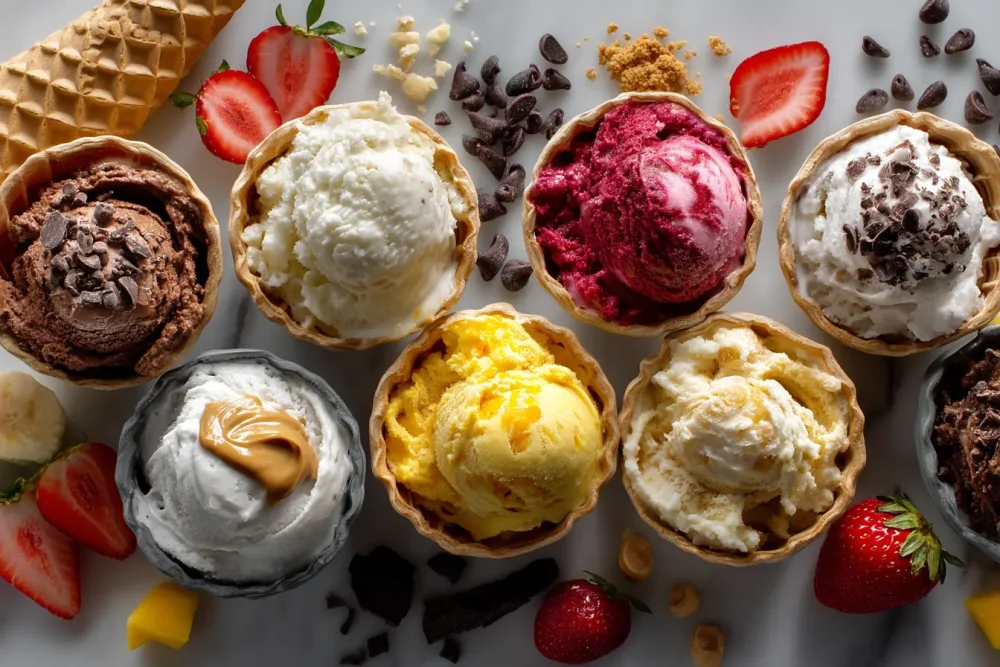
For a crowd, I’ll process three or four different pints and set them out like a small ice cream bar. Works well at a backyard gathering or after a Sunday roast when you want something cold but not a full dessert production. A scoop of the tiramisu pint next to a shot of strong coffee is a combination I keep coming back to.
The fruit-based sorbet-style creami recipes are good with a handful of granola on top. Our Healthy Protein Granola Recipe pairs well here, the crunch contrast against the soft processed base is worth trying.
How I’m Using These Lately
Most weeks now there are two or three pints sitting in the freezer at different stages. I’ll freeze a base on Thursday night, process it Saturday morning, and refreeze it for Saturday night. The Sunday double-batch means we’ve got variety through the week. My partner’s current favourite is the tiramisu pint, which I’m making probably every ten days. I’ve also started bringing a pint to friends’ places instead of a bottle, and people are usually more interested in the Creami than they would be in anything else. It’s become a bit of a party trick, if I’m honest.
Storage and Meal Prep
Processed pints refreeze well for up to two weeks. After that, ice crystals start forming around the edges and the texture after re-processing is less smooth. I write the freeze date on a small strip of masking tape on the side of the pint container.
If you’re meal prepping, prepare 4-6 bases on Sunday, freeze them all, and process one at a time through the week. Unprocessed bases keep well frozen for up to three weeks without quality loss. The base doesn’t change much over time — it’s the processing and refreezing cycles that affect texture.
Thawed and re-blended pints don’t work well. If a pint has fully thawed, don’t try to refreeze and re-process it. The emulsion breaks and the texture after re-processing is grainy. That said, a fully thawed pint blended with a splash of almond milk makes a reasonable protein smoothie.
What’s Actually in These Pints
The protein content across these creami recipes varies depending on the base you choose. Cottage cheese and whey-based pints tend to sit at the higher end, usually somewhere around 25g to 35g per full pint. Yoghurt-only bases without added powder generally land around 15g to 20g. The coconut cream sorbet-style pints are lower in protein but higher in natural fats.
Dairy-based creami recipes made with full-fat Greek yoghurt provide calcium and probiotics that you’d expect from any yoghurt-based food. The Australian Dietary Guidelines note that fermented dairy products like Greek yoghurt are a useful source of protein and calcium in everyday eating.
Common Mistakes to Avoid
Processing straight from the freezer without a bench rest. The 5-minute sit is not optional. A pint that goes straight from freezer to machine is too solid for the blade to process evenly, and you’ll either get a motor error or a crumbly, uneven texture. If your kitchen is above 25°C in summer, 3 minutes is usually enough. If it’s cold, give it the full 5.
Overfilling the pint. The max fill line exists for clearance between the base and the lid. If you overfill, the lid won’t seat properly and the machine throws an error mid-cycle. I usually fill to about 5mm below the max line just to be safe.
Using flavoured yoghurt as a base. Flavoured yoghurts often have added sugar, thickeners, and fruit pieces that affect how the base freezes and processes. Stick to plain full-fat Greek yoghurt and control your own sweetness and flavour. The result is more consistent across all the creami recipes in this collection.
FAQ
Can I make creami recipes without a Ninja Creami machine?
Not really, no. A standard blender or food processor doesn’t replicate the shearing action the Creami uses, and you won’t get the same dense, scoopable texture. Some people use a regular ice cream maker as an alternative, but the result is different, more airy, less thick. The Ninja Creami is kind of purpose-built for this style of high-protein frozen dessert.
Why do my creami recipes turn out crumbly after the first processing cycle, and is that normal?
It’s normal, especially for cottage cheese and high-protein bases. The first cycle can produce a crumbly or powdery texture because the protein content affects how the frozen base shears. Press re-spin immediately after the first cycle without opening the lid or waiting. Most pints come out with a much smoother, denser texture after the second cycle. If you’re still getting crumble after two cycles, your base probably needs more fat, add an extra tablespoon of Greek yoghurt or a splash of cream before freezing next time.
I’ve seen creami recipes online that call for rice flour or xanthan gum as stabilisers do I actually need those, and what difference do they make in practice?
I’d say they’re optional for most home versions. Xanthan gum, used in about 1/4 tsp quantities per pint, does help prevent ice crystals in fruit-based and lower-fat creami recipes, and it can improve the texture of refrozen pints that have been sitting in the freezer for more than a week. Rice flour in very small amounts (half a teaspoon) adds a little body to thin bases. Honestly, I’ve had good results without either for most of the 25 creami recipes in this collection, but if you’re finding your fruit-based pints going icy after a day or two, a pinch of xanthan gum is worth trying.
That’s the Collection
Twenty-five creami recipes is probably enough to keep anyone’s freezer interesting for a few months. Start with the mango coconut sorbet if you’re new to the machine it’s the most forgiving and work toward the cottage cheese chocolate pint once you’ve got a feel for freeze times and re-spin cycles. Most of these I’d make again without hesitation.
Q1: Can I make creami recipes without a Ninja Creami machine?
Not really, no. A standard blender or food processor doesn’t replicate the shearing action the Creami uses, and you won’t get the same dense, scoopable texture. Some people use a regular ice cream maker as an alternative, but the result is different, more airy, less thick. The Ninja Creami is kind of purpose-built for this style of high-protein frozen dessert.
Q2: Why do my creami recipes turn out crumbly after the first processing cycle, and is that normal?
It’s normal, especially for cottage cheese and high-protein bases. The first cycle can produce a crumbly or powdery texture because the protein content affects how the frozen base shears. Press re-spin immediately after the first cycle without opening the lid or waiting. Most pints come out with a much smoother, denser texture after the second cycle. If you’re still getting crumble after two cycles, your base probably needs more fat, add an extra tablespoon of Greek yoghurt or a splash of cream before freezing next time.
Q3: I’ve seen creami recipes online that call for rice flour or xanthan gum as stabilisers, do I actually need those, and what difference do they make in practice?
I’d say they’re optional for most home versions. Xanthan gum, used in about 1/4 tsp quantities per pint, does help prevent ice crystals in fruit-based and lower-fat creami recipes, and it can improve the texture of refrozen pints that have been sitting in the freezer for more than a week. Rice flour in very small amounts (half a teaspoon) adds a little body to thin bases. Honestly, I’ve had good results without either for most of the 25 creami recipes in this collection, but if you’re finding your fruit-based pints going icy after a day or two, a pinch of xanthan gum is worth trying.

25 Creami Recipes
Ingredients
Equipment
Method
- Combine your protein source, protein powder, sweetener, and flavourings in a blender. Blend until completely smooth.

- Pour the mixture into a 946ml Ninja Creami pint container, filling only to the max fill line.
- Freeze the pint on a flat surface for a minimum of 24 hours until completely solid.
- Remove the pint from the freezer and let it sit at room temperature for 5 minutes.
- Select the appropriate Ninja Creami program such as Lite Ice Cream, Ice Cream, or Sorbet and process the pint.
- If the texture appears crumbly, immediately run a re-spin cycle for a smoother consistency.
- Add mix-ins if desired and run the Mix-In program once.
- Serve immediately for a soft texture or refreeze for 1–2 hours for a firmer scoop.