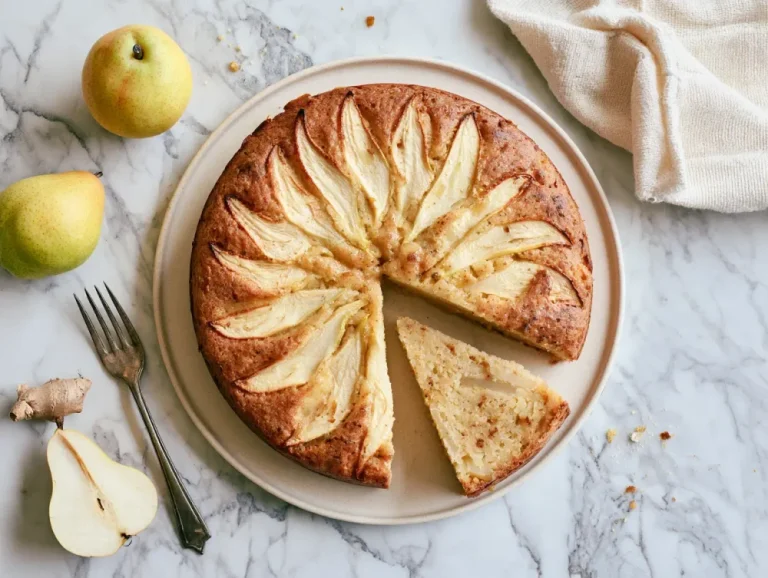

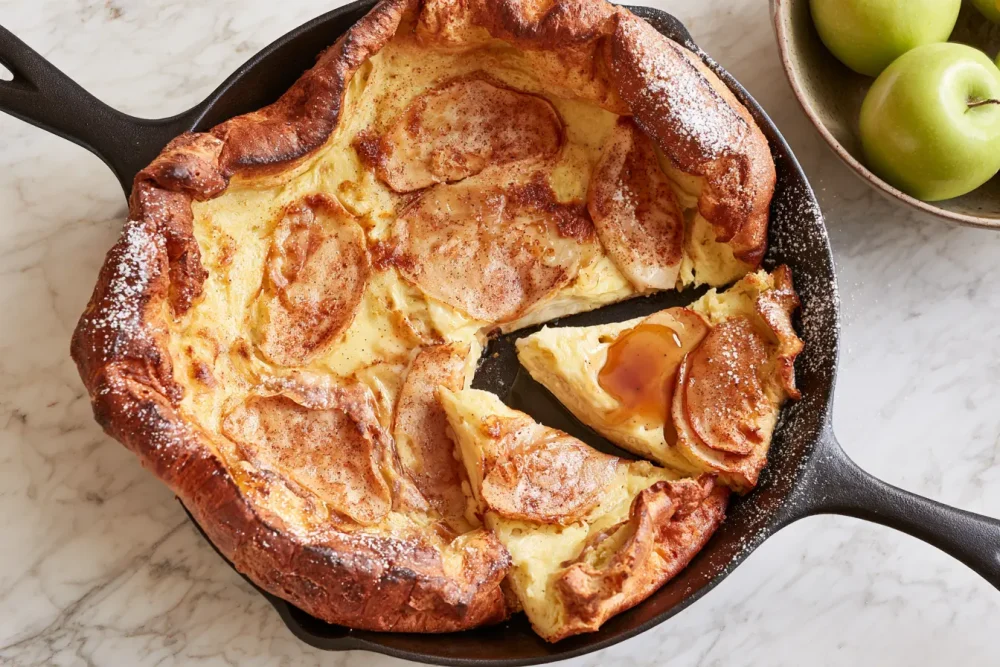
German apple pancake: 20-minute simple cosy breakfast
This german apple pancake puffs up beautifully with crisp edges and a soft, spiced centre. Discover the secret to the perfect rise. Try the recipe today.
Look, the rain hasn’t stopped battering the kitchen window since six this morning, sending heavy, grey sheets of water cascading down the glass while I stood by the kettle waiting for it to boil, staring at a bowl of slightly bruised Braeburns that desperately needed using. That’s exactly the kind of morning that demands a german apple pancake. It’ll come together fast. You peel, you slice, you pour.
My lighter take on the traditional german apple pancake skips the heavy double cream entirely, relying instead on whole milk and a fierce hot oven to get that glorious puffed edge that shatters slightly when you cut into it. I think it tastes better this way, if I’m honest. Less cloying. A classic german apple pancake usually calls for mountains of butter, but I’ve scaled that back to just enough to caramelise the fruit properly. The smell hits you about twelve minutes into baking. Cinnamon, toasted butter, warm fruit.
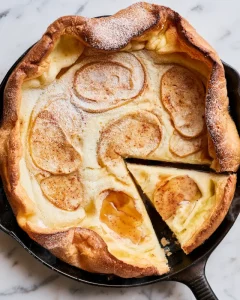
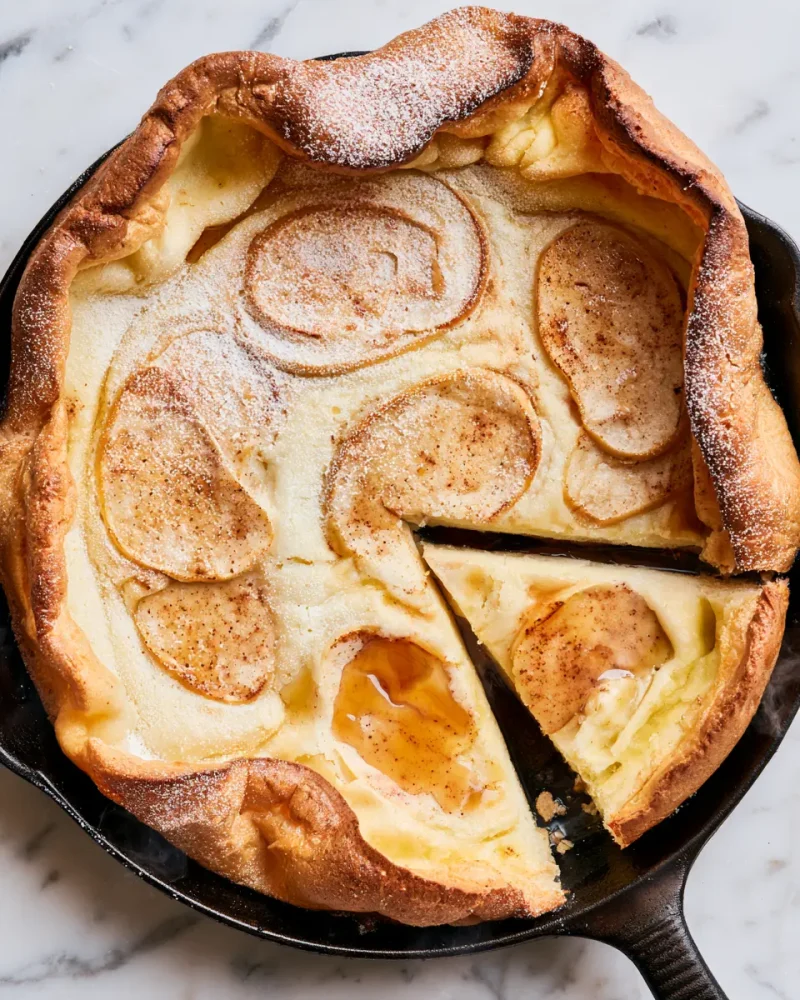
I made it twice last week. The second time, I ate half the pan straight from the tin with a fork. No regrets. You’ll pull this golden, puffed-up german apple pancake from the heat and it’ll collapse slightly in the centre, creating a shallow bowl just waiting for a dusting of icing sugar.
Why this german apple pancake rises beautifully
Now, the secret lies in the resting time. They’ll usually rush the batter. They whisk the flour and milk, then immediately pour it over the hot fruit. That’s a mistake. Giving the flour ten minutes to hydrate changes the entire structure of your german apple pancake. It creates a stronger gluten network, or rather, it lets the starches absorb the liquid properly.
I reckon the temperature of your eggs matters too. Cold eggs straight from the fridge stunt the rise. Room temperature eggs’ll blend seamlessly. Making a german apple pancake doesn’t require any fancy equipment, but using a screaming hot cast iron pan creates an instant seal on the wet batter, trapping steam underneath. Steam’s what forces the edges upward.
What goes into the batter
Picking the right fruit makes or breaks this dish. I’ll usually grab a bag of Irish-grown Bramleys from SuperValu if I want a sharp contrast to the sweet batter. Well, no, actually I prefer Braeburns because they’ll hold their shape brilliantly under high heat. You’re wanting an apple that fights back a bit. If you’re using something overly soft, it’ll turn to mush before the batter even sets. Read more about picking the right cooking apples if you’re curious about texture differences.
The flour’s got to be plain. Self-raising flour’ll give a bizarre cakey texture that ruins a proper german apple pancake completely. I’ve kept a bag of Odlums plain flour specifically for this. If you enjoy experimenting with different morning batters, you might also like trying my cottage cheese pancakes for a completely different texture profile on busy weekdays. For the sweet element, a touch of dark brown sugar melts into the butter, creating a quick toffee sauce.
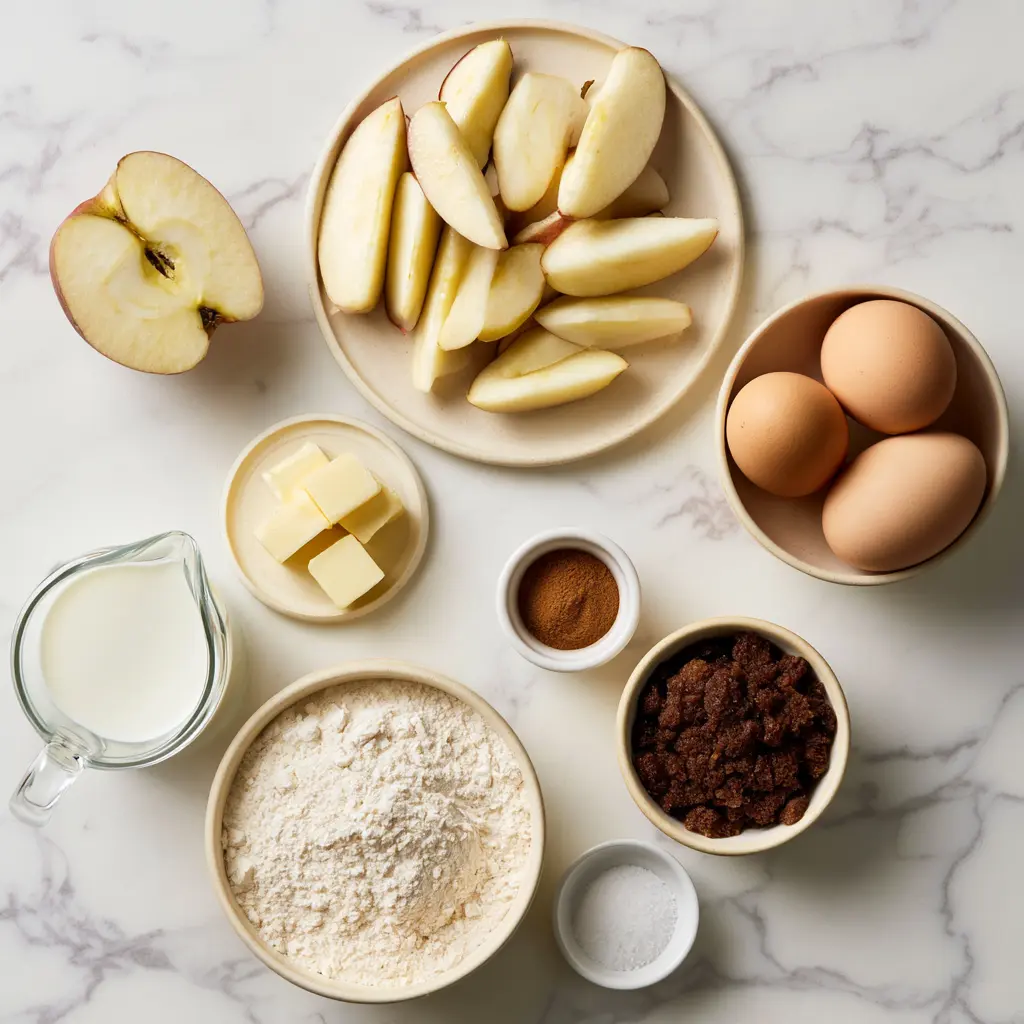
- 2 medium Braeburn apples (peeled and sliced)
- 30g (1oz) unsalted butter (Kerrygold preferred)
- 3 large eggs (room temperature)
- 120ml (4fl oz) whole milk
- 65g (2.3oz) plain flour
- 1 tbsp dark brown sugar
- 1/2 tsp ground cinnamon
- Pinch of sea salt
How to build your german apple pancake
1. Preheat the oven. Set your oven to 200°C (Gas Mark 6). Place a 25cm (10-inch) cast iron pan inside while it heats up.
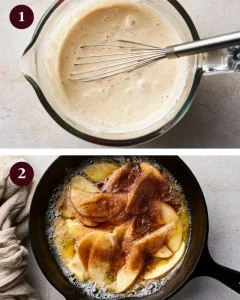
2. Whisk the batter. In a large jug, beat the eggs until pale. Pour in the milk, plain flour, and salt. Whisk vigorously until smooth. Let the mixture sit on the counter.
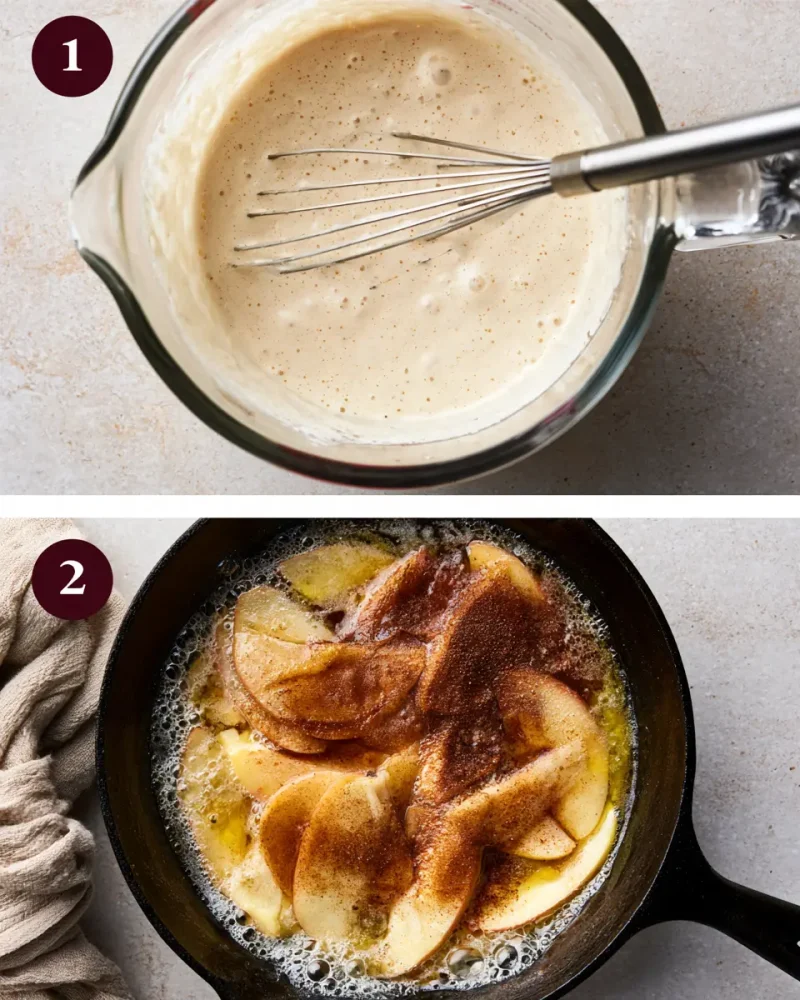
3. Caramelise the fruit. Carefully remove the blazing hot pan from the oven using thick oven gloves. Drop in the butter. It’ll foam instantly. Add the sliced apples, brown sugar, and cinnamon. Return to the oven for five minutes until the fruit softens. Cook’s note: I’ve burned my wrist twice forgetting the handle’s hot, so I’ll always drape a thick tea towel over it the second it comes out of the oven.
4. Pour and bake. Take the pan out again. Pour the rested batter directly over the bubbling apples. Bake for fifteen minutes. Watch the edges closely. You’re looking for them to be deeply golden brown and puffed high above the fruit.
Serve immediately. A german apple pancake waits for no one. It deflates within minutes of hitting the cold air. Slice it straight from the pan. Sometimes I’ll scatter a handful of my healthy protein granola over the top for crunch.
The Sunday morning ritual
Anyway, the first time I attempted a german apple pancake, I used a flimsy aluminium frying pan that scorched the bottom, stuck fast to the sides, and left me spending forty minutes soaking the tin in boiling water just trying to salvage the metal. Absolute disaster. Cast iron’s changed everything.
Now, this german apple pancake is my default Sunday ritual when the weather turns grim. There’s something incredibly grounding about the repetitive motion of peeling fruit while the oven ticks away in the background. My sister’ll usually drop round around eleven, lured by the smell of cinnamon drifting down the street. We’re sitting at the island, drinking strong black tea, tearing off chunks of the puffed edges with our fingers. I’d say it’s probably my favourite hour of the week.
Kitchen notes and testing
Right, perfecting this german apple pancake took some doing over the last three weeks. I’ve baked about nine separate batches before getting the proportions exactly where I wanted them. The first attempt in early October was a complete soggy mess because I used a ceramic dish instead of cast iron, and the batter didn’t catch the heat properly, leaving a pale, sad pudding sitting in a pool of butter. I couldn’t salvage it. It wasn’t great. Then, on batch four, I tried adding the milk straight from the fridge while the eggs were warm. The mixture split instantly. I simply couldn’t stomach it. That resulted in a german apple pancake that tasted vaguely like scrambled eggs with fruit, which I’m still annoyed about. Absolutely disgusting.
My third major failure happened when I got distracted by the postman and left the pan on the hob for ten minutes before adding the batter, which meant the apples disintegrated into a dark, bitter mush. You need the fruit to retain some bite. I’ve learned that a proper german apple pancake demands your full attention during that brief assembly window. The butter costs about three euros a block these days, so wasting it hurts. Getting the timeline right matters.
Tips for the best rise
Heat your pan aggressively before adding anything. If the metal isn’t smoking slightly when the butter hits it, your german apple pancake won’t get that dramatic, towering crust.
Slice the fruit evenly. Thick chunks won’t soften in the oven, while paper-thin shavings burn against the black iron. Aim for half-centimetre wedges.
Rest the batter on the counter, not in the fridge. Cold batter dropped onto hot fruit shocks the pan temperature down, and that’s a disaster. If you want a savory twist for later in the week, check out my easy high protein cold lunch ideas for work to keep things simple.
Watch the clock closely. A german apple pancake goes from beautifully golden to deeply charred in about sixty seconds, usually around the sixteen-minute mark.
Flavour variations
Swapping the fruit completely changes the character of a german apple pancake. Firm pears work brilliantly when paired with a pinch of cardamom instead of cinnamon. You’ll want to use Conference pears because they hold their shape under intense heat.
Adding a handful of toasted pecans brings a lovely textural contrast to the soft centre. I’ve tried this Tuesday. The nuts toast slightly in the residual butter. Actually, wait, walnuts work better if you’re wanting a softer crunch. They aren’t as bitter.
For a sharper finish, scatter some fresh blackberries over the batter just before baking. The dark juices bleed into the pastry. If you have leftover fruit, my apple oatmeal muffins are brilliant for using up odds and ends. A pinch of nutmeg grated over the top right before serving adds a lovely warmth.
Serving suggestions
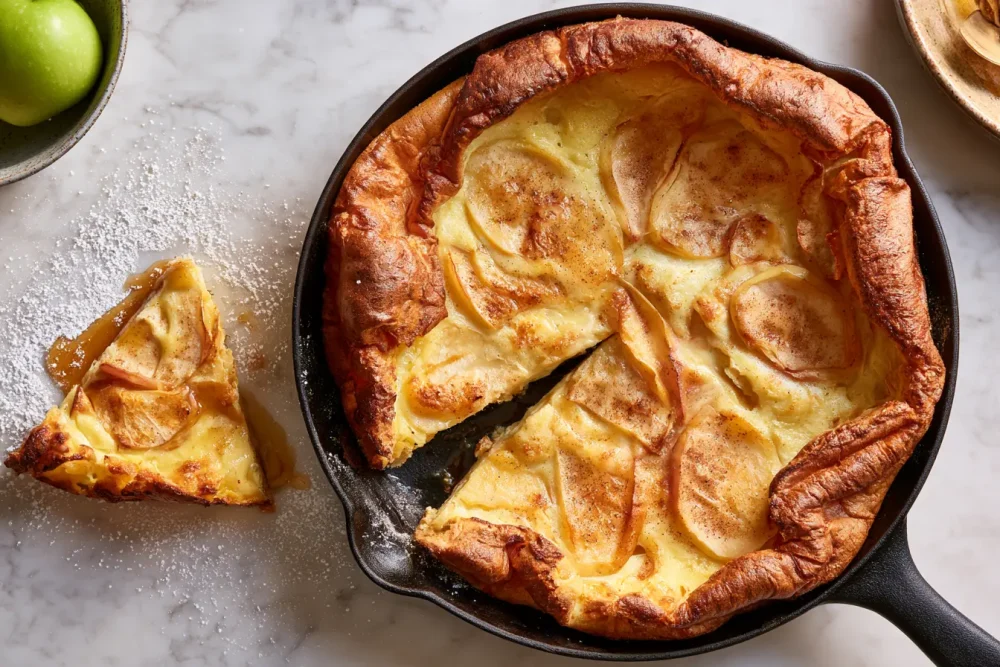
I’ll always serve a german apple pancake straight from the oven in the middle of the table. A heavy dusting of icing sugar is non-negotiable. Sometimes I’ll pour a little jug of cold pouring cream over the hot slices. The contrast between the scalding hot pastry and the fridge-cold cream is brilliant. Tea is mandatory. A strong pot of Barry’s Tea sits nicely alongside it.
When this earns its place in my week
Honestly, a german apple pancake usually happens on a slow Thursday morning when I’m working from home and avoiding my email inbox. I’ll pull out the heavy Le Creuset skillet, line up the glass oil bottles on the white marble counter, and take twenty minutes entirely away from the screen just to focus on something tactile and physical while the rain hammers the glass. It doesn’t require an hour of prep. Last week, I made one while my neighbour popped over to borrow the strimmer. We’ve ended up eating the entire thing standing by the sink. It’s messy, informal, and exactly what you need when the Irish weather turns foul.
Storage and meal prep
Look, a german apple pancake really hates sitting around. You shouldn’t expect the crisp edges to survive the fridge. You can keep leftovers in an airtight glass container chilled for up to two days, though realistically, it rarely lasts past lunchtime. It’s just different. Reheat slices in a dry frying pan over medium heat to crisp the bottom back up. If you are batch cooking for a busy household, make two separate pans rather than trying to double the batter in a single skillet. An overcrowded pan won’t cook evenly. Don’t freeze this.
Nutrition note
Building a german apple pancake from scratch means you control exactly what goes into the batter, and using whole milk provides a rich source of calcium and essential fats that help create that highly satisfying, filling texture. The inclusion of fresh fruit adds valuable dietary fibre, particularly if you leave the skins on, though I prefer them peeled for this specific dish because the smooth texture contrasts better against the shattered, crispy edges of the pastry once it emerges from the hot oven. Eggs act as a brilliant source of high-quality protein. If I’m honest, it’s a fairly balanced way to start the day. According to Safefood, incorporating fresh fruit into your morning routine supports overall wellbeing.
Common mistakes
Opening the oven door too early ruins everything. You shouldn’t peek before the twelve-minute mark, because the sudden drop in temperature causes the rising edges to collapse instantly.
Using too much fruit weighs the batter down. A massive pile of apples prevents the base from cooking through, leaving a doughy centre.
Slicing the fruit too thickly means the apples remain hard and crunchy while the batter burns on top. You want a soft, yielding texture that blends seamlessly with the egg mixture.
FAQ
Can I use a glass baking dish instead of cast iron?
I wouldn’t recommend it. Glass heats up far too slowly to create the sudden burst of steam required for a proper rise. You’ll end up with a flat texture rather than puffed pastry.
What type of milk works best for this batter?
Whole cow’s milk yields the richest flavour and best structural integrity. I’ve tested oat milk, and while it functions decently, the final colour is noticeably paler. Avoid almond milk entirely, as its high water content creates a bizarrely rubbery base lacking fat.
Why does my batter taste slightly metallic?
This usually happens if you leave the raw mixture sitting in a reactive metal bowl for too long before baking. Always use a glass or ceramic jug for resting your wet ingredients. Also, older baking powder can sometimes impart a bitter, chemical flavour, even though this specific german apple pancake relies solely on the power of trapped steam for its dramatic lift rather than any artificial chemical leavening agents.
Final thoughts
Pulling a golden, puffed german apple pancake from the oven never really gets old. It transforms a handful of basic pantry staples into something genuinely special for a quiet morning. I’ll likely make another one this weekend when the rain inevitably returns.

German Apple Pancake
Ingredients
Equipment
Method
- Preheat the oven to 200°C (Gas Mark 6). Place a 25 cm (10-inch) oven-safe cast-iron skillet inside while the oven heats. The skillet should be thoroughly hot before the butter and apples are added.

- Beat the room-temperature eggs in a large jug until pale. Add the whole milk, plain flour and a pinch of sea salt. Whisk vigorously until smooth and free from lumps. Leave the batter to rest at room temperature for approximately 10 minutes while the oven and skillet heat.
- Carefully remove the hot skillet from the oven using oven gloves. Add the unsalted butter and allow it to melt and foam. Add the sliced Braeburn apples, dark brown sugar and ground cinnamon. Gently distribute the apples across the skillet, then return it to the oven for approximately 5 minutes until the fruit begins to soften and caramelise.
- Carefully remove the skillet from the oven. Immediately pour the rested pancake batter evenly over the hot apples and melted butter. Work promptly to retain as much heat in the skillet as possible.
- Return the skillet to the oven and bake at 200°C for approximately 15 minutes, until the pancake has risen dramatically around the edges and is deeply golden brown. Avoid opening the oven door during the early part of baking, as the sudden temperature change can reduce the rise.
- Remove the skillet from the oven using oven gloves and place it on a heatproof surface. Cut the pancake into four portions and serve immediately while the edges are crisp and puffed. The centre will naturally settle as the pancake cools.