
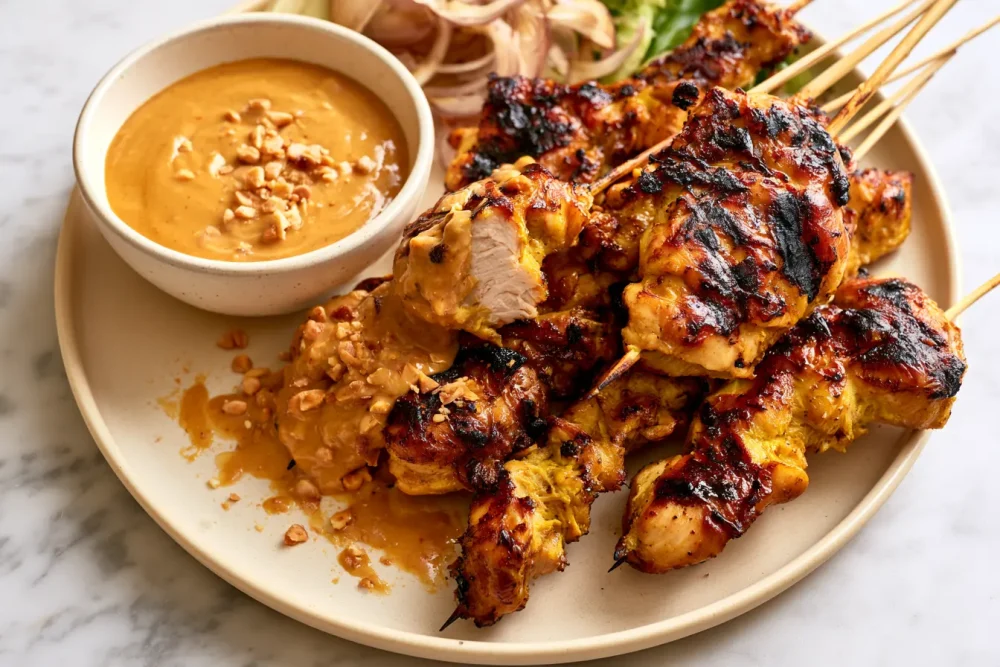
Satay Sauce Recipe: Easy 5-Ingredient Peanut Sauce
This satay sauce recipe uses just 5 ingredients and comes together in 10 minutes. A rich, creamy peanut sauce that works on skewers, noodles, and rice bowls.
Some nights you just want something that tastes like it took hours but actually came together in ten minutes while the chicken was still on the grill. That’s this satay sauce recipe for me. I’ve been making some version of it since I lived in a tiny Newtown share house with one wonky gas burner and a pantry that was mostly soy sauce and wishful thinking. The smell of peanut butter warming in a saucepan with a hit of garlic and a squeeze of lime I’d say it’s one of the more reliable things in my cooking life right now. This satay sauce recipe uses exactly five ingredients you probably already have sitting in your Woolworths-stocked pantry, and it’s done before the skewers finish resting.
Why the Five-Ingredient Limit Actually Forces Better Flavour
Honestly, the first few times I made satay sauce I over-complicated it. I kept adding things a splash of this, a teaspoon of that and somehow landed somewhere muddier than where I’d started. Stripping it back to five core ingredients meant every single one had to pull its weight.
Smooth peanut butter is the base. Not crunchy, and probably not the natural kind if you want a sauce that emulsifies properly without seizing. Soy sauce adds that salty, savoury depth. Coconut cream (not milk there’s a difference and it matters here) gives the sauce body without making it watery. Fresh garlic, grated fine so it melts in rather than chunking up. And lime juice to cut through the richness at the end. Five things. That’s your satay sauce recipe, more or less.
I reckon the biggest reason home versions fall flat is the peanut butter-to-liquid ratio. Too much liquid and you’ve got peanut soup. Not enough and it seizes into a paste you could grout tiles with.
Ingredients
The peanut butter situation is worth a sentence or two. I use Bega Smooth peanut butter it’s consistent, it’s Australian, and it’s reliably available at Coles for around $4.50 a jar. Some people swear by fancy all-natural stuff and look, I’ve tried it. The oil separation makes the sauce split unless you’re really careful with the heat. Bega just works.
Coconut cream: go for the 270ml tin. Ayam is good, KA-ME is fine, but whatever you grab, make sure it’s cream not milk the label will say. Soy sauce I use Kikkoman, just the regular kind, nothing fancy. Two garlic cloves, grated on a microplane if you have one. And one lime, juiced. That’s everything.
For a great base to serve this over, the chicken lettuce wraps on this site pair with this satay sauce recipe really well I’ve used that combo for school pickup dinners more times than I’d care to admit.
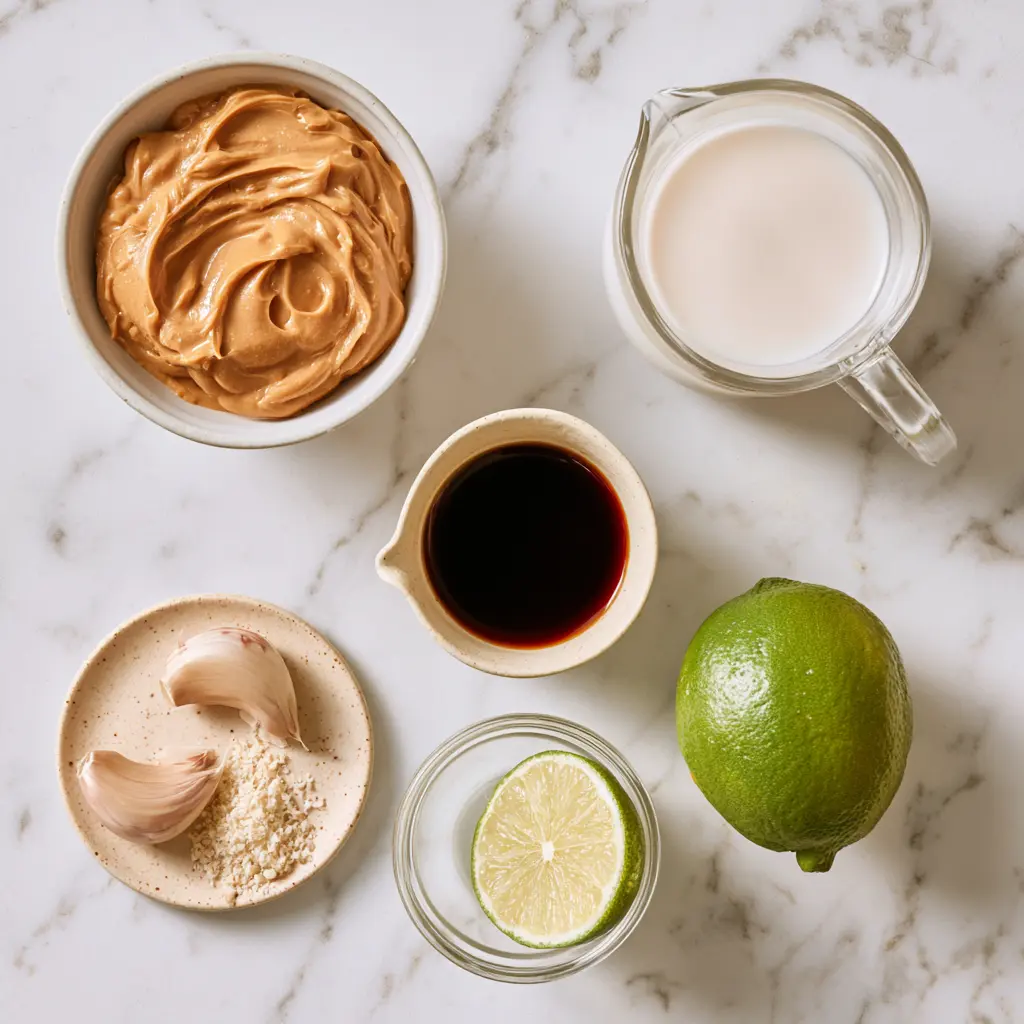
Ingredients (serves 4, makes about 300ml):
- 125g (4.5oz) smooth peanut butter (Bega recommended)
- 120ml (1/2 cup) coconut cream
- 2 tbsp soy sauce
- 2 garlic cloves, finely grated
- 2 tbsp fresh lime juice (about 1 lime)
Optional: 1 tsp rice vinegar + pinch of sugar if you want a little extra tang. Chilli flakes to taste if your household can handle heat.
Step-by-Step Instructions
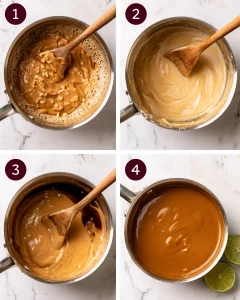
1. Warm the garlic
Add peanut butter and grated garlic to a small saucepan over low heat. Stir constantly for about 90 seconds you’ll hear a very faint sizzle and start to smell the garlic softening. Don’t walk away here; burnt garlic is a real risk and there’s no coming back from it.
2. Add coconut cream
Pour in the coconut cream gradually, stirring as you go. The mixture will look like it’s splitting for a moment keep stirring and it’ll come together. This takes about two minutes on low heat. You’re looking for a smooth, pourable consistency about as thick as runny honey.
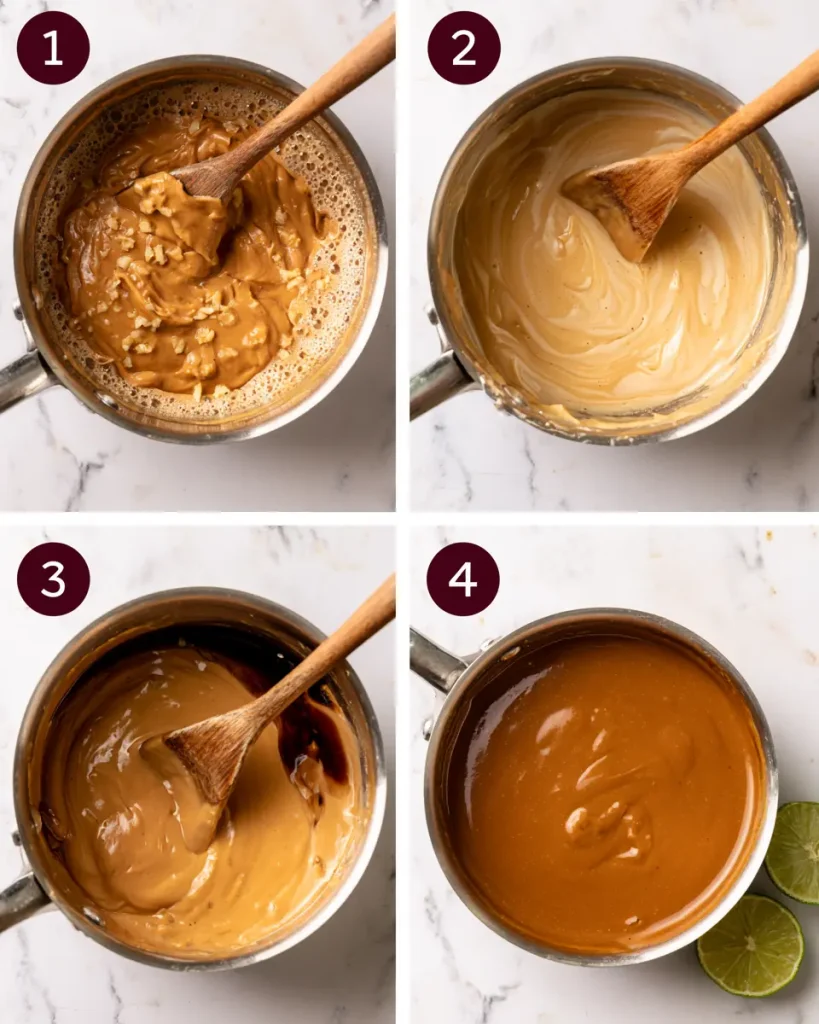
3. Season with soy
Add the soy sauce and stir through. Taste it. I’d say it’ll probably need the full two tablespoons but start with one and adjust soy sauce brands vary a fair bit in saltiness.
4. Finish with lime
Remove from heat. Add lime juice and stir. The sauce will loosen slightly and brighten in both colour and flavour. Taste again. Add more lime if it still tastes flat.
5. Adjust consistency
If the sauce is too thick for drizzling, add warm water a tablespoon at a time. If it’s too thin, put it back on low heat for another minute stirring constantly. For the full technique on building a base sauce you can adapt into other dishes, this cheesy chicken wrap recipe shows a similar sauce-building method that’s worth reading.
My Take on This Sauce
So, full disclosure: I burned the garlic on my first attempt at this exact five-ingredient ratio. Badly. The whole batch tasted bitter and I had to start over. I’d cranked the heat because I was impatient it was a Wednesday night, I was tired, and I thought I could speed things up. You can’t. The second batch on genuinely low heat took maybe a minute longer and tasted completely different.
In my experience this sauce also tastes better made ten minutes ahead and left to sit. Something happens as it cools slightly the flavours settle in a way they don’t when it’s steaming hot straight from the pan. I usually make the satay sauce recipe first, then get the skewers on. By the time everything else is ready, the sauce has found its feet.
What Went Wrong Before I Got It Right
I’ll be straight with you this satay sauce recipe gave me more trouble than it had any right to. Three rounds of testing, and each one taught me something the previous version didn’t.
First attempt: I used natural peanut butter from Harris Farm, the kind where the oil sits on top. I thought I’d stirred it through properly. I hadn’t. The sauce broke almost immediately when the coconut cream went in oily on top, grainy underneath, completely unsalvageable. Lesson: stabilised peanut butter or nothing when you’re making this satay sauce recipe.
Second attempt: I used coconut milk instead of coconut cream because that’s what was left in the pantry. The sauce was thin and kind of sad. It coated nothing. It dripped off the skewers and pooled at the bottom of the plate in a way that made me feel personally judged. Full-fat coconut cream only from here on.
Third attempt: I added the lime juice while the pan was still on the heat. The acid hit a sauce that was still bubbling and everything seized. Paste. Absolute paste. Now I always take the pan fully off the heat, let it sit for thirty seconds, then add the lime. That small pause makes a real difference to the final texture of this satay sauce recipe.
Tips That Actually Change the Outcome
Grate the garlic, don’t mince it. A microplane makes the garlic almost liquid so it melts into the satay sauce recipe without leaving chunks behind. If you chop it, even finely, you’ll get little bursts of raw garlic flavour in some bites and none in others.
Go low and slow the whole time. The peanut butter scorches faster than you’d expect. I keep my gas burner on the absolute lowest setting probably a 2 out of 9 and I stir the whole time the peanut butter is in the pan. It feels like unnecessary fussing but the flavour difference is real.
Warm water is your rescue tool. If this satay sauce recipe thickens too much as it cools (and it will, if you’re making it ahead), just add warm water a tablespoon at a time and stir. Cold water can cause it to seize. Warm water keeps the texture smooth and pourable.
Taste at every stage. The soy sauce does most of the seasoning work in this satay sauce recipe, but brands differ. Kikkoman is my standard, but if you’re using something saltier like a supermarket homebrand, start with one tablespoon and build up. A sauce that’s over-salted can’t really be fixed without diluting everything else. For a protein-heavy weeknight plate that this sauce really shines on, the healthy beef bowl recipe works brilliantly with a drizzle of this satay sauce recipe on top.
Rest the sauce before serving. Ten minutes off the heat does something to the flavour integration that you can’t shortcut. Set it aside while everything else comes together.
Variations Worth Trying
Chilli satay sauce recipe. Add half a teaspoon of dried chilli flakes to the pan with the garlic at the very start. They toast slightly in the peanut butter and add a warmth that builds slowly rather than hitting all at once. More interesting than just adding chilli sauce at the end.
Ginger satay sauce recipe. Add one teaspoon of freshly grated ginger alongside the garlic. I’d say this version works better with prawns than chicken the ginger lifts the whole thing in a way that suits seafood really well. Pairs nicely with the spicy shrimp tacos concept if you want to take it in that direction.
Thicker dipping satay sauce recipe. Reduce the coconut cream to 80ml and skip the water adjustment step. You’ll get a much thicker paste-style sauce that clings to skewers rather than dripping. Good for a party platter where presentation matters more than drizzle-ability.
Serving This Satay Sauce Recipe in an Australian Kitchen
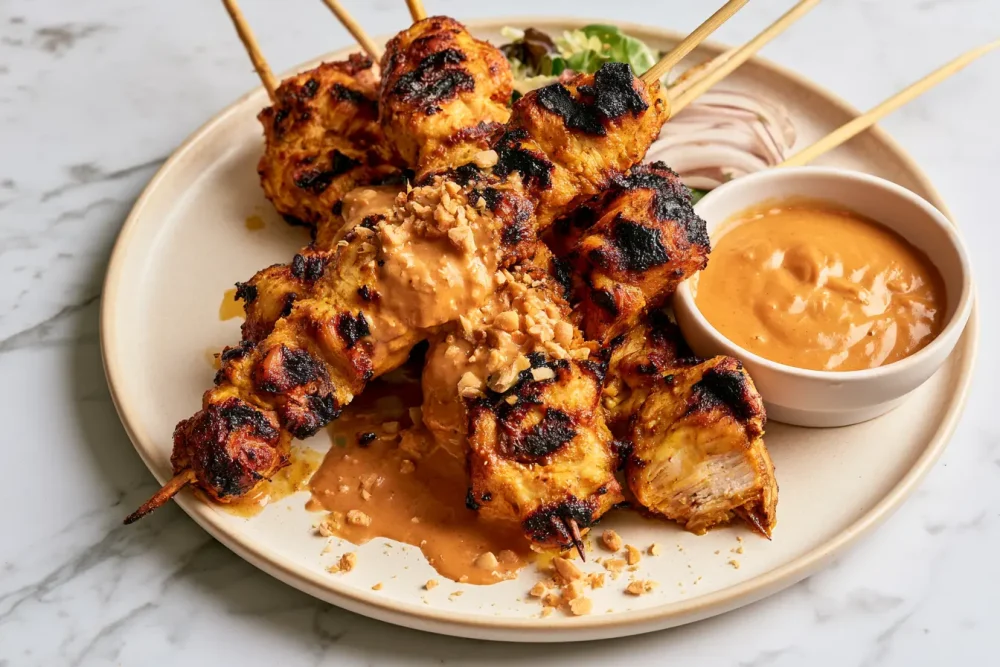
Satay sauce recipe on skewers is the obvious one chicken thighs cut into pieces, marinated briefly in a bit of soy and garlic, grilled on a hot BBQ or a cast iron grill pan. But I use this sauce in a lot of other ways too.
Tossed through noodles with shredded cucumber and spring onion for a quick cold lunch. Spooned over a simple rice bowl with whatever protein’s in the fridge. Thinned down a little more and used as a salad dressing on a crunchy cabbage slaw with coriander and sesame seeds. This satay sauce recipe earns its place in the weekly rotation because it does more than one job.
For a complete plate, the chicken lettuce wraps on this site are probably my most-used pairing with this satay sauce recipe. That combination has shown up on my table more times than I’d care to admit.
How I’m Using It Lately
Right now in mid-2026, this satay sauce recipe is on rotation almost every week at my place. Tuesday nights specifically I’ll make a double batch, use half over grilled chicken that evening and refrigerate the rest. By Thursday it’s gone cold and thickened up, and I thin it with warm water and spoon it over a rice bowl with whatever greens I’ve got left. It’s more or less the same satay sauce recipe doing two different jobs across the week. Total cost for a batch is probably around $3 to $4 using Bega and a tin of Ayam coconut cream from Woolworths. Hard to argue with that for something this reliable.
Storage and Meal Prep
This satay sauce recipe keeps well in the fridge in a sealed jar for up to five days. It will thicken as it chills that’s just the peanut butter contracting in the cold. To bring it back, spoon what you need into a small bowl and add warm water one tablespoon at a time, stirring until you reach the consistency you want. You can also reheat it gently in a saucepan on low with a splash of water stirred through.
I don’t recommend freezing this satay sauce recipe. The sauce tends to separate on thawing and while you can sometimes rescue it by stirring hard over heat, the texture isn’t quite right. Better to make a fresh batch it only takes ten minutes anyway.
For meal prep, make the satay sauce recipe on Sunday and store it. During the week you can use it cold over noodles, warm over rice, or at room temperature as a dipping sauce. The soy salt level means it holds well without any issues.
What’s Actually in the Bowl
Peanut butter makes up the bulk of this satay sauce recipe, and smooth varieties like Bega give a good amount of protein alongside the fats around 25g of protein per 100g, roughly. Coconut cream brings the fat content up, which is what gives the satay sauce recipe its richness and body. Garlic contributes the aromatic base. Lime juice adds acidity. Soy sauce handles the salt. All together it’s a sauce with real substance not a thin flavouring, but something that actually contributes to the meal.
For a breakdown of peanut butter’s nutritional profile, USDA FoodData Central has detailed data. And for context on how coconut cream fits into everyday Australian eating patterns, Nutrition Australia is a straightforward local reference.
Common Mistakes With This Satay Sauce Recipe
Using the wrong peanut butter. Natural, oil-separated peanut butter is more likely to split when heat and liquid are added. The stabilised varieties Bega, Sanitarium Smooth behave more predictably in this satay sauce recipe. If you’ve had a satay sauce break on you before, that’s probably why.
Adding all the liquid at once. Pouring the full 120ml of coconut cream in a rush will drop the pan temperature suddenly and can cause the peanut butter to seize before it emulsifies. Add it gradually, stirring as you pour.
Skipping the rest time. A satay sauce recipe served immediately off the heat has sharper, more separate flavour notes. Given ten minutes, the lime, garlic, soy, and peanut round out into something more integrated. I know you’re hungry. Wait anyway.
FAQ
Can I make this satay sauce recipe without coconut cream?
You can, though the texture and flavour will be a bit different. Full-fat tinned coconut milk works as a substitute use the same quantity but expect a thinner result. Some people use a tablespoon of Jalna full-fat yoghurt stirred in at the end to add body, and that’s not a bad option if you’re out of coconut products entirely.
My satay sauce recipe came out grainy and separated what went wrong and how do I fix it?
Graininess usually means the heat was too high or the liquid was added too fast. To rescue a split satay sauce recipe, take it off the heat completely, add a tablespoon of warm water, and stir vigorously in small circles from the centre outward. Most of the time it’ll come back together. If it’s still grainy after two minutes of stirring, add another tablespoon of warm water and try again. Worth rescuing don’t tip it out yet.
How much satay sauce recipe should I make for a party if I’m serving it as a dipping sauce alongside skewers for around twelve people? I want to make sure I have enough without making an enormous amount that goes to waste, and I’m also wondering if I can make it the night before.
For twelve people as a dipping sauce (not a coating), I’d probably make two-and-a-half batches of this satay sauce recipe so roughly 750ml total. People tend to be generous with dipping so it’s better to have a little extra. Yes, absolutely make it the night before. Store it in a sealed jar in the fridge. The next day it’ll be thick bring the satay sauce recipe back with warm water stirred in a tablespoon at a time, then taste and adjust the lime if needed. The night before works fine, though the morning of the party gives maximum flavour freshness.
So that’s this satay sauce recipe, all five ingredients of it. I reckon once you’ve made it a couple of times the whole thing becomes almost automatic a ten-minute satay sauce recipe you can build around whatever’s already happening in the kitchen.

Satay Sauce Recipe
Ingredients
Equipment
Method
- Add the peanut butter and grated garlic to a small saucepan over low heat. Stir constantly for about 90 seconds until fragrant.

- Gradually pour in the coconut cream while stirring continuously until the sauce becomes smooth and creamy.
- Stir in the soy sauce and taste, adding more if required for seasoning.
- Remove the saucepan from the heat and stir in the fresh lime juice. Add the optional rice vinegar, sugar or chilli flakes if desired.
- If the sauce is too thick, stir in warm water one tablespoon at a time until it reaches your preferred consistency. Rest for 10 minutes before serving.